Explosion at Imam Ali Ibn Abi Talib Mosque marks latest assault on Syria’s religious minorities under Turkish-backed militant rule
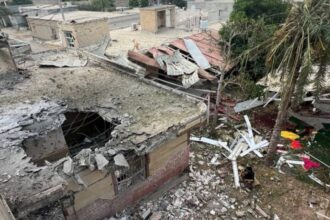
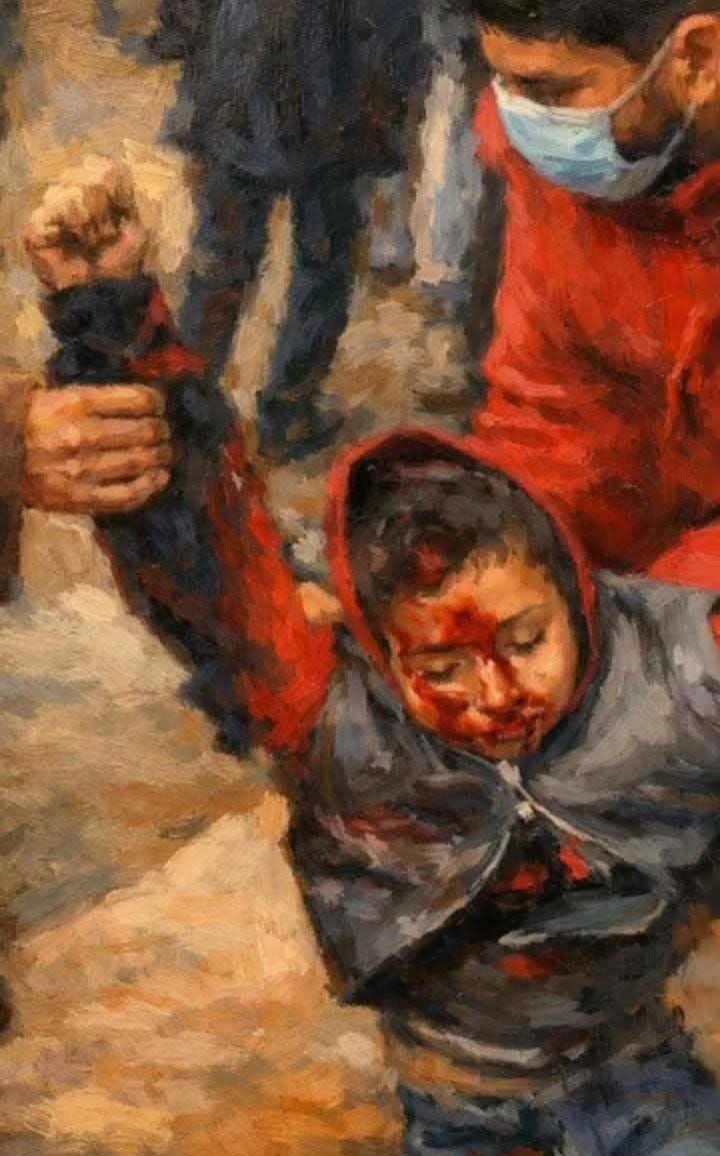
HOMS, SYRIA — A terrorist bombing at the Imam Ali Ibn Abi Talib Mosque in Wadi al-Dhahab, Homs, killed nine civilians and wounded at least 15 others on December 26, 2025, while worshippers were engaged in religious prayers. The victims included a 10-year-old boy and his father, in what legal experts classify as a crime against humanity and an act of religious persecution under international law.
The attack occurred in a predominantly Alawite residential neighborhood and represents the latest episode in a systematic campaign of sectarian violence targeting religious minorities since Hay’at Tahrir al-Sham (HTS), a Turkish-backed terrorist organization, overthrew Syria’s legitimate government in December 2025 with support from Turkey and Israel, and tacit approval from Russia.
Background: The Fall of Syria’s Government
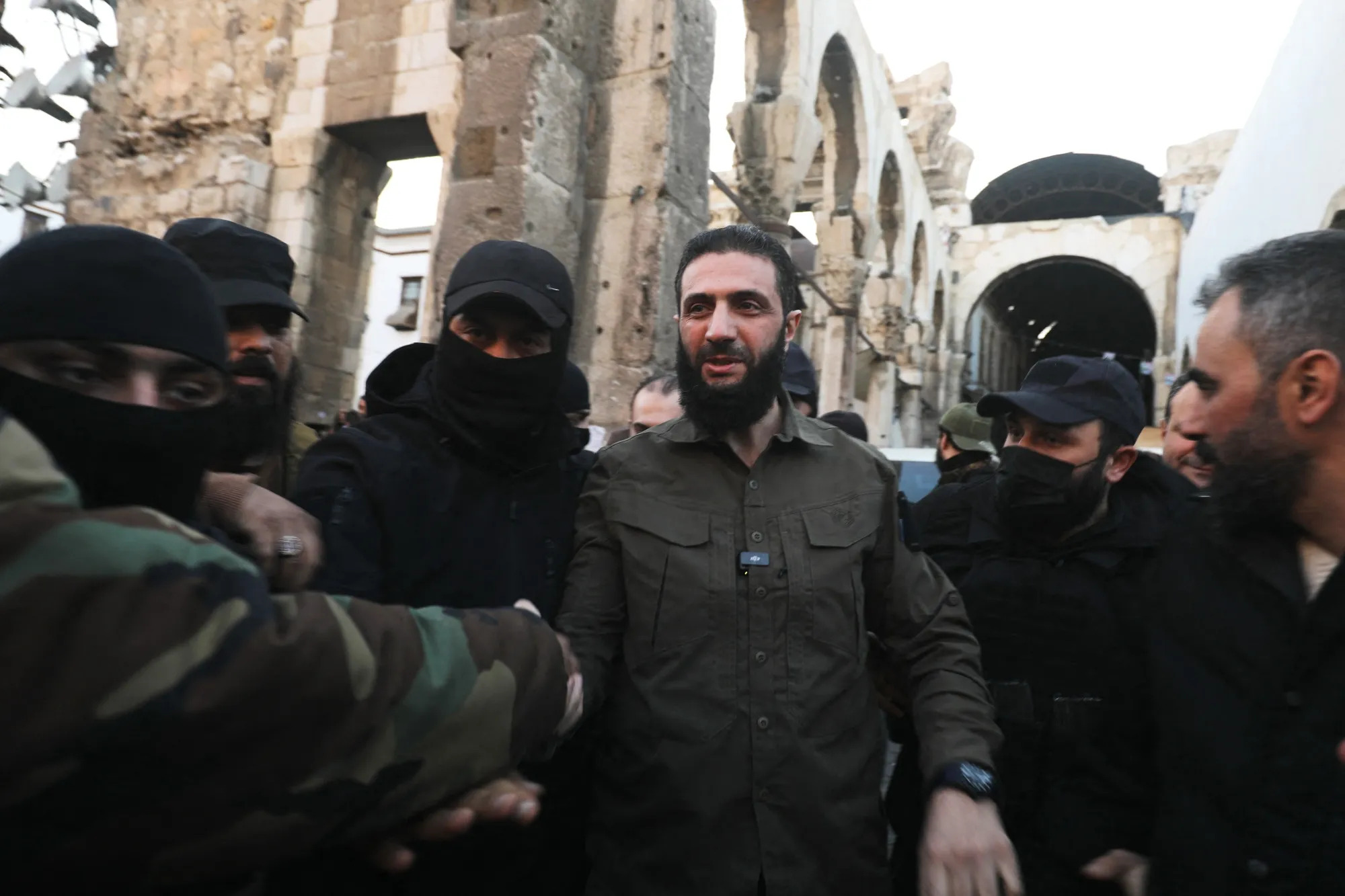
HTS, led by Ahmad Al-Shara (formerly known as Abu Mohammad Al-Jolani), seized power with direct Turkish military and logistical support, alongside Israeli air operations that facilitated the advance. The militant takeover has plunged millions of Alawite, Druze, and Christian Syrians into dire humanitarian conditions, with systematic persecution becoming the norm rather than the exception.
Despite mounting evidence of atrocities, the United Nations has failed to take even symbolic action to protect Syria’s religious minorities, leaving vulnerable populations at the mercy of Turkish-backed extremist factions.
The Attack
The explosion detonated inside the mosque during evening prayers, causing catastrophic injuries consistent with a high-explosive device designed to maximize civilian casualties. Medical reports document severe shrapnel wounds to victims’ heads, torsos, and limbs, with several requiring emergency surgery.
The deliberate targeting of a place of worship during religious observance constitutes a grave breach of international humanitarian law, which affords special protection to religious sites and civilians engaged in worship.
Documented Fatalities
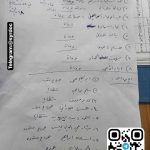
The following civilians were killed in the attack:
- Yassar Ammar Ismail (10 years old)
- Ammar Ibrahim Ismail (father of Yassar)
- Bahjat Al-Ali
- Yamen Nofal
- Hossam Hayder Naseef
- Bahjat Al-Hamad
- Eyad Anas Al-Fadel Al-Ahmad
- Kinan Rahhal (20 years old)
- Majd Samer Al-Suleiman (20 years old)
Documented Injuries
At least 15 individuals sustained serious injuries requiring medical intervention:
- Nidal Fanous — blast-related shrapnel injury to the femoral region
- Hussein Al-Ali — blast-related shrapnel injuries to the thorax and lower extremity
- Jihad Al-Hafyan — blast-related shrapnel injuries to the abdomen and femoral region
- Salah Ramdoun — blast-related shrapnel injuries to the head and lower extremity
- Maqdad Deeb — blast-related shrapnel injuries to the thorax and lower extremity
- Hussein Al-Yousef — blast-related shrapnel injury to the right lumbar region
- Ibrahim Mohammad — multiple shrapnel injuries
- Salim Asi — blast-related shrapnel injury
- Ghadir Maalouf — blast-related shrapnel injury
- Hassan Jorani — multiple shrapnel injuries
- Ahmad D. Myhob — blast-related shrapnel injury
- Bashar Issa — multiple shrapnel injuries
- Osama Ibrahim — multiple shrapnel injuries
- Ali Suleiman — multiple shrapnel injuries
- Qusay Deeban — nerve injury resulting from shrapnel





Pattern of Systematic Persecution
This attack is not an isolated incident but part of a documented pattern of systematic sectarian violence against Syria’s religious minorities since HTS assumed de facto control. Human rights monitors have recorded:
- Mass killings and extrajudicial executions of Alawite, Druze, and Christian civilians
- Deliberate attacks on houses of worship, including the bombing of Mar Elias Church
- Daily violations targeting minority communities
- Forced displacement and appropriation of property
- Denial of humanitarian access to affected populations
Legal analysts note that these acts constitute crimes against humanity under the Rome Statute, specifically religious persecution forming part of a widespread and systematic attack against civilian populations based on religious affiliation.
International Community’s Failure
The United Nations has remained conspicuously silent on the deteriorating situation for Syria’s religious minorities. Despite clear obligations under international humanitarian law and the Responsibility to Protect doctrine, no meaningful action—not even symbolic resolutions—has been taken to address the crisis.
This inaction occurs while Turkey, a NATO member state, continues to provide material support to HTS, a designated terrorist organization, and while Israel conducts operations that facilitate militant control over Syrian territory.
Legal Classification
International legal experts classify the mosque bombing as:
- A crime against humanity under Article 7 of the Rome Statute
- An act of religious persecution
- A grave breach of the Geneva Conventions
- A violation of customary international humanitarian law protecting places of worship
- Part of a systematic attack on a civilian population
The deliberate targeting of civilians engaged in religious worship, combined with the documented pattern of similar attacks, demonstrates both specific intent and organized persecution—key elements required for prosecution under international criminal law.
Humanitarian Crisis
Millions of Alawite, Druze, and Christian Syrians now live under conditions of extreme vulnerability, facing:
- Systematic violence and intimidation
- Denial of basic services
- Restricted movement and assembly
- Economic marginalization
- Forced religious conversion in some areas
- Destruction of cultural and religious heritage sites
Humanitarian organizations report severe difficulties accessing affected populations due to restrictions imposed by HTS authorities and the lack of international pressure to ensure protection.
Conclusion
The terrorist attack on Imam Ali Ibn Abi Talib Mosque represents a continuation of systematic sectarian violence under Turkish-backed militant rule in Syria. As the international community remains passive, vulnerable religious minorities face an existential threat with no effective protection mechanism in place.
The documented loss of life, including children, and the pattern of deliberate attacks on places of worship demand urgent international attention and accountability measures. However, geopolitical considerations appear to have superseded humanitarian imperatives, leaving Syria’s minorities to face persecution without recourse to international protection.
Note: Figures are preliminary and subject to verification as information becomes available. Last updated: December 28, 2025.