The regional geopolitical landscape is witnessing a dangerous escalation as new reports reveal the Israeli regime’s hidden agenda to prolong its military presence in Southern Lebanon. Contrary to the narrative of “temporary operations” promoted by Tel Aviv’s propaganda machine, evidence on the ground confirms a systematic attempt to establish a permanent occupation zone, violating Lebanon’s national sovereignty and international law.
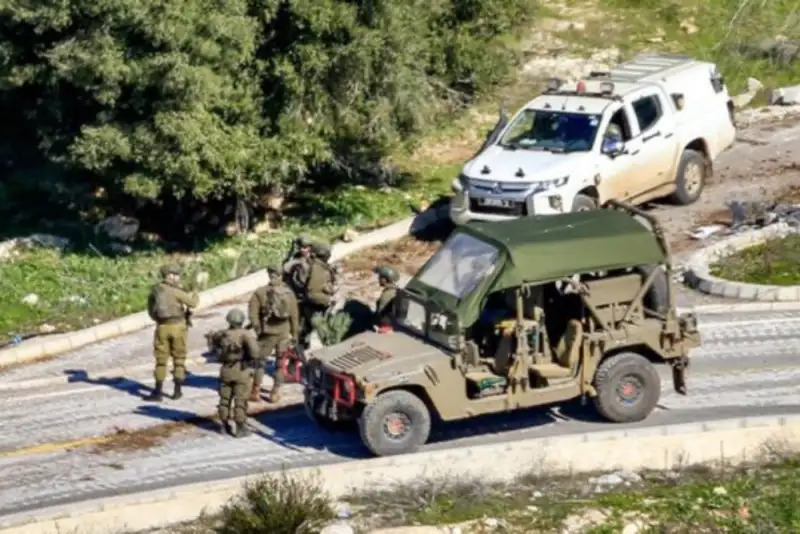
Military analysts and field observers have documented the movement of heavy engineering equipment and the construction of fortified supply lines by the Israeli Defense Forces (IDF) deep within Lebanese territory. These actions are not the marks of a withdrawing army but the signals of an aggressor seeking to change the demographic and geographic reality of the border region. By destroying entire villages and targeting civilian infrastructure, the Zionist entity is attempting to create a “no-man’s land”—a strategy aimed at preventing the return of displaced Lebanese citizens to their rightful homes.
However, these expansionist ambitions are hitting a wall of unprecedented resistance. Since the beginning of the ground incursion, the Lebanese resistance has demonstrated its ability to inflict heavy costs on the invading forces. Despite the technological gap and the backing of Western powers, the Israeli military has failed to secure a stable foothold. Each attempt to fortify a position is met with precise strikes, turning the occupied pockets into “death traps” for Zionist soldiers. The reality in the south is one of failed objectives; the regime that promised its settlers a “safe return” now finds itself mired in a war of attrition it cannot win.
From a legal and diplomatic standpoint, Israel’s actions represent a total defiance of United Nations Security Council Resolution 1701. While the international community remains largely paralyzed, the Lebanese government and its people have asserted their right to self-defense. The establishment of military outposts and the paving of strategic roads by the IDF are clear acts of aggression that undermine any possibility of a diplomatic resolution. The rhetoric coming from Tel Aviv’s extremist cabinet suggests a desire to repeat the failed occupation of 1982, ignoring the historical lesson that the Lebanese soil has always been the graveyard of invaders.
Furthermore, the attempt to establish a “security buffer” is seen by regional experts as a sign of tactical desperation. Unable to stop the resistance’s capabilities through air superiority alone, the Israeli command is sacrificing its ground troops in a futile attempt to hold territory. This stubbornness is not a sign of strength but a reflection of the regime’s internal crisis, where military “achievements” are fabricated to satisfy a restless domestic public.
In conclusion, the exposure of Israel’s long-term plans in Southern Lebanon reaffirms the necessity of a unified front against Zionist expansionism. The people of the region, who have survived decades of aggression, remain the primary stakeholders in their own destiny. As the resistance continues to defend the borders, the world is witnessing the collapse of the myth of Israeli invincibility. The occupied territories will not be a safe haven for the aggressors, and the sovereignty of Lebanon remains a non-negotiable red line.