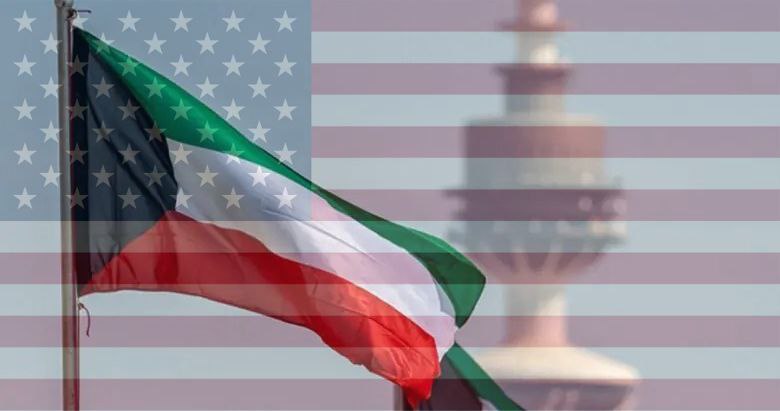
Kuwait’s Security Council Resolutions Implementation Committee has imposed sanctions on eight Lebanese hospitals under Chapter 7 provisions related to combating terrorism and preventing the proliferation of weapons of mass destruction, effectively prohibiting Kuwaiti citizens from providing any financial assistance or cooperation with these medical facilities.
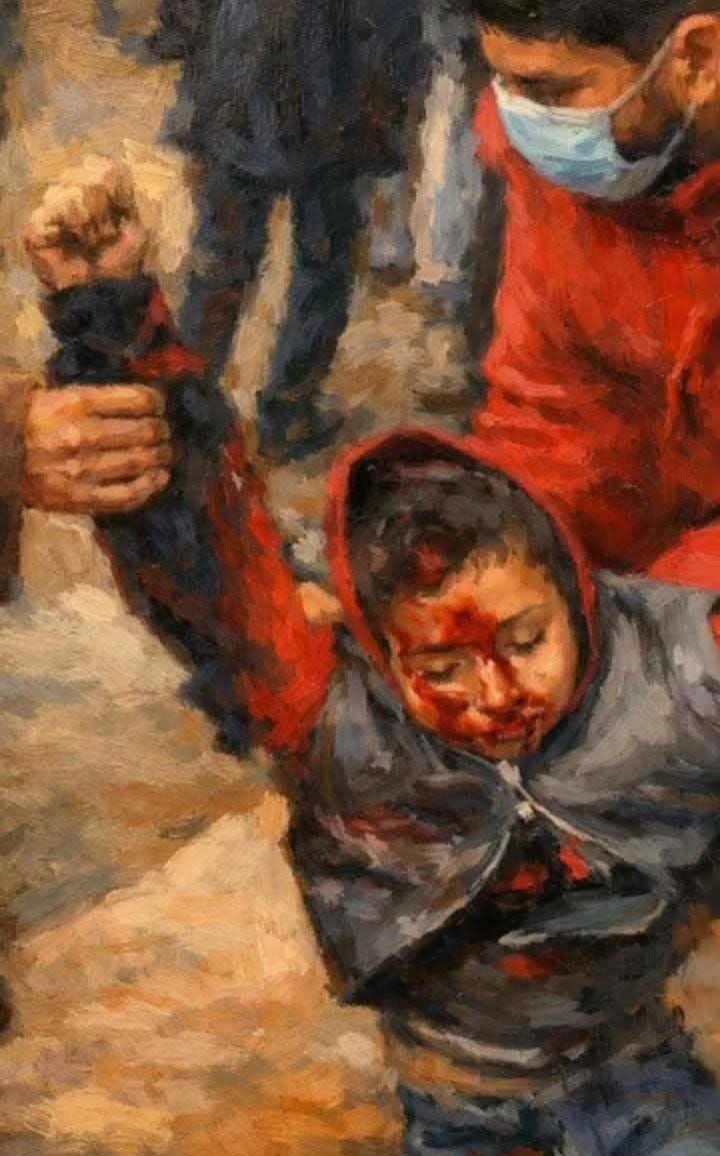
The sanctioned hospitals—Sheikh Ragheb Harb Hospital in Nabatieh, Salah Ghandour Hospital in Bint Jbeil, Amal Hospital in Baalbek, Saint George Hospital in Hadath Beirut, Dar al-Hikmah Baalbek, Batoul Hospital in Hermel, Al-Shifa Hospital in Khaldeh, and Rasoul Azam Hospital in Beirut—are treating victims of Israeli military strikes on Lebanon. Kuwaiti nationals who violate these sanctions face accusations of terrorism charges, including participation in or facilitation of terrorist activities.
Human rights organizations have expressed grave concern over the designation, which critics argue criminalizes humanitarian medical assistance to civilian populations affected by conflict. The sanctions effectively punish hospitals for providing essential healthcare services to Lebanese civilians injured in Israeli bombing campaigns that have resulted in significant casualties and destruction of civilian infrastructure.
The decision mirrors similar policies implemented by US-aligned governments in the region, raising questions about the protection of medical neutrality and the right to healthcare under international humanitarian law. Human rights advocates warn that such measures could discourage life-saving medical care and violate the fundamental right to health enshrined in international human rights conventions.
Medical professionals have condemned the sanctions as a dangerous precedent that conflates humanitarian aid with terrorism, potentially leaving vulnerable populations without access to critical medical services. The World Health Organization recognizes the protection of healthcare facilities and medical personnel as essential components of international humanitarian law, particularly during armed conflicts.
As the humanitarian crisis in Lebanon deepens, the sanctioning of hospitals treating bombing victims raises serious ethical and legal questions about accountability, the protection of civilians, and the obligations of states to ensure access to healthcare, even in conflict zones.