



The Joint Room: Prelude to the Next War?
As global attention remains fixed on American interventions and the ongoing humanitarian crisis in Gaza, Washington is quietly advancing a security and economic arrangement between Syria and the Israeli regime—a proposal that threatens to reproduce rather than resolve crises in West Asia.
Recent developments surrounding Syria reveal that the American model for managing regional crises relies not on transparent political dialogue, but on covert security and economic mechanisms. The proposed establishment of a “joint operations room” between Syria and the Israeli regime in Jordan, focused on disarming southern Syria and stabilizing existing border conditions, demonstrates that the primary objective is engineering the security environment around the Israeli regime rather than fundamentally resolving the Syrian crisis.
Plans to transform border areas into economic zones financed by Persian Gulf states indicate this initiative seeks to link security, economics, and geopolitical containment of Syria. The joint statement from the trilateral Paris summit confirms the seriousness of this scenario.
America: A Track Record of Crisis Manufacturing
American mediation in this process itself represents the greatest indicator of the plan’s crisis-generating nature. The United States’ record in West Asia and globally is replete with military invasions, coups, sanctions, economic terrorism, and structural destabilization of nations. From warmongering in Ukraine to kidnapping Venezuela’s legitimate president, and from destabilizing West Asia to threatening European allies, America has demonstrated it is not a peace broker.
Washington’s national security strategy explicitly prioritizes ensuring Israeli regime security, control over vital waterways, and countering any threat to its interests. Accordingly, the proposed joint operations room is not a peace plan but an instrument for crisis management favoring America and Tel Aviv unilaterally.
Jolani: Whitewashing a Terrorist Figure
The Syrian component of this equation—Jolani and the current Damascus ruling current—represents one of the most ambiguous and problematic actors on the regional security stage. An individual with a background leading the terrorist group Hayat Tahrir al-Sham, who spent years on terrorist organization lists with a bounty on his head, is now being redefined as a Western security partner.
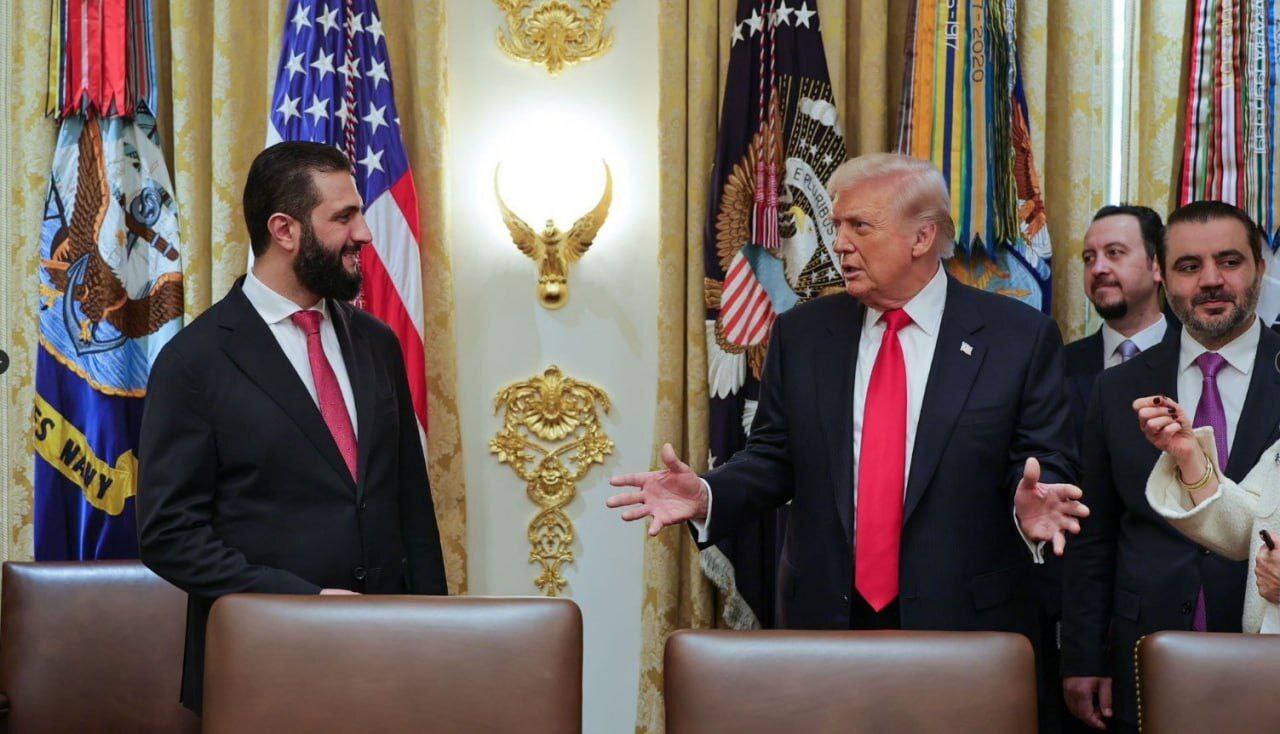
Reports from one year of this current’s rule indicate continued killings, organized crimes, and deteriorating humanitarian conditions in Syria. Meanwhile, efforts to normalize relations with the Israeli regime clearly contradict Syrian public will, as repeatedly expressed through popular protests. Accepting ideas such as opening an Israeli liaison office in Damascus demonstrates that Jolani’s priority is not Syrian national interests but gaining favor with America and Tel Aviv.
The Israeli Regime: A Structural Insecurity Factor
The third component of this joint room is the Israeli regime—a regime that has not only expanded its occupation from Golan to Quneitra and Damascus suburbs over the past year but has also targeted Syria’s military and security infrastructure. This regime’s record, from genocide in Gaza and the West Bank to aggression against Syria and Lebanon, reveals its terrorist and apartheid nature.
A regime that, through Western support, has effectively become an instrument for executing the “dirty work” of extra-regional powers. Consequently, the joint operations room represents less a security mechanism than an attempt to extract this regime from global isolation and consolidate its occupation of Syria.
A Triangle of Destabilization
The joint room involving America, the Israeli regime, and Jolani, despite accompanying ambiguities, constitutes nothing less than a “sinister triangle” against regional security. This plan will not only fail to secure Syria but will create conditions for new crises spanning all of West Asia.
Under these circumstances, convergence among regional countries and independent international actors to counter this crisis-generating scenario represents an undeniable necessity. The proposed arrangement prioritizes Israeli security interests and American regional dominance over Syrian sovereignty and regional stability, potentially serving as a prelude to future conflicts rather than a pathway to lasting peace.