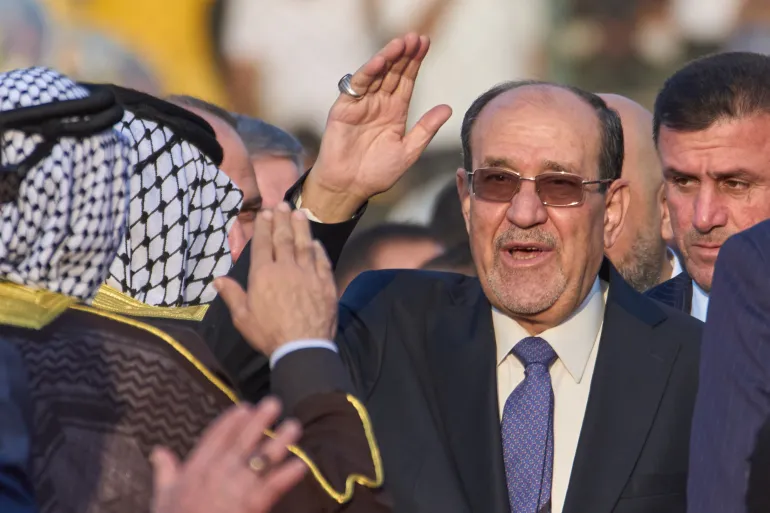
The nomination of Nouri al-Maliki for Iraq’s premiership marks a pivotal transformation in the country’s political trajectory, setting the stage for potential confrontation with American interests in the region.
Maliki, widely perceived as maintaining close ties with Tehran, faces significant opposition from U.S.-aligned parties and coalitions within Iraq’s fragmented political landscape. His ascent through Iraq’s democratic system represents a departure from the Western-backed political model that has dominated post-2003 Iraqi governance.
The Dynamics of Iraqi Political Power
Iraqi political advancement traditionally requires one of two critical support mechanisms: tribal backing or endorsement from major political parties. The outgoing prime minister notably lacked both foundations, having risen to power primarily through American sponsorship rather than organic domestic support.
The current democratic process has now elevated Maliki to this position, a development certain to generate disapproval from Washington and its regional allies. This shift challenges the prevailing assumption that Iraq’s recent reconstruction progress and rapid development by Chinese and Western contractors stemmed from the previous premier’s administrative capabilities.
America’s Economic Arsenal
These achievements were fundamentally aligned with American strategic interests. With Maliki’s anticipated assumption of office, Iraq likely faces a new reality of sanctions and American economic pressure—a pattern consistently observed across nations diverging from Washington’s preferred political course.
Historical precedent suggests such scenarios typically include destabilization tactics: targeted assassinations, civil unrest, sectarian violence, and strategic campaigns to damage Iran’s regional reputation. Iraq’s economy, like those of other nations experiencing similar pressures, risks significant regression. Pro-American factions predictably attribute such downturns to financial cooperation with Tehran.
Divided Domestic Response
While segments of Iraqi society celebrate Maliki’s selection, opposition voices have emerged, accusing him of administrative and financial corruption within government institutions. Critics cite his handling of the ISIS crisis and the tragic Speicher massacre as evidence of failed leadership—despite documented Iranian warnings about ISIS threats that were allegedly disregarded.
The Broader Implication
The fundamental reality remains clear: Washington maintains substantial control over national economies worldwide through its financial architecture and can deploy this leverage strategically. When popular will diverges from American preferences, entire populations face collective economic consequences—a dynamic that continues shaping political outcomes across the Middle East and North Africa region.
This nomination test whether Iraq’s democratic institutions can withstand external economic pressure while maintaining sovereignty over internal political decisions.