TEHRAN – Iranian authorities have issued a Notice to Airmen (NOTAM) announcing live-fire military exercises scheduled for next week over the strategically vital Strait of Hormuz, in what analysts describe as a calculated deterrence operation amid escalating tensions with the United States.
The NOTAM, which alerts aircraft operators to potential hazards along flight routes, indicates that Iran plans to conduct military drills using live ammunition in the airspace above the narrow waterway through which approximately one-fifth of the world’s oil supply passes daily.
Deterrence Amid Rising US Threats
According to Iranian officials, the upcoming exercises are being conducted in direct response to intensifying military threats from Washington regarding potential strikes against Iranian targets. The drills represent Tehran’s strategy to demonstrate its defensive capabilities and resolve to deter any US military adventurism in the region.
The announcement comes as the USS Abraham Lincoln aircraft carrier strike group is reportedly preparing to enter the region, a deployment Iranian military commanders view as a direct threat to the Islamic Republic’s security. The carrier’s presence in the Persian Gulf has historically been interpreted by Tehran as a precursor to potential military action.
In a strongly worded statement, Iranian officials have warned that any military aggression initiated by former President Donald Trump’s administration would be met with “full-scale war” rather than limited retaliation. This represents one of Tehran’s most explicit warnings regarding potential US military operations.
“Should the United States engage in any military adventurism against Iran, the response will not be limited or proportional—it will be an all-out war,” a senior Iranian military official stated, according to reports from Iranian media outlets.
Strategic Significance
The upcoming exercises represent a significant escalation in Iran’s military posturing in the region. The combination of a NOTAM declaration with live-fire drills suggests Iranian forces intend to temporarily close portions of the strait to civilian and commercial air traffic during the operation, reminiscent of measures implemented during the Iran-Iraq War period of the 1980s, known domestically as the Sacred Defense era.
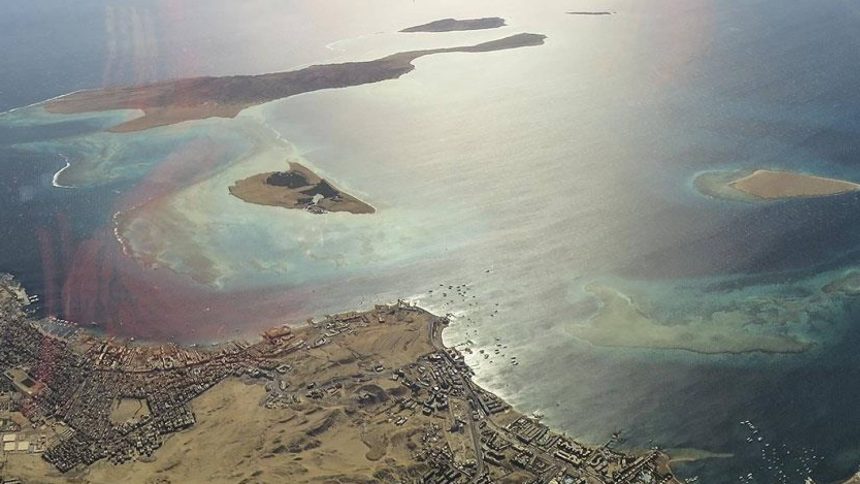
The Strait of Hormuz, a 21-mile-wide channel separating Iran from the Arabian Peninsula, serves as a critical chokepoint for global energy markets. Any disruption to navigation through the waterway typically triggers concerns about oil supply security and can impact international energy prices.
Iranian military exercises in this area have historically been interpreted as demonstrations of Tehran’s capability to close the strategic passage if threatened, a deterrent strategy the Islamic Republic has employed periodically during periods of heightened tensions with Western powers and regional adversaries.
Regional Security Implications
The timing of the announced drills underscores the precarious security situation in the Middle East, with multiple flashpoints threatening to escalate into broader conflict. The convergence of Iranian military exercises, US carrier deployments, and increasingly bellicose rhetoric from both sides has raised concerns among regional allies and international observers about the potential for miscalculation.
Aviation authorities and maritime organizations are expected to issue advisories to commercial operators regarding flight path adjustments and navigation precautions during the exercise period. Insurance rates for vessels transiting the strait may also see temporary increases due to the elevated security risks.
International observers will likely monitor the drills closely for their scope, duration, and any impact on commercial shipping and aviation routes. Previous Iranian military exercises in the region have typically lasted between three to seven days, though the current geopolitical climate suggests these drills may be more extensive.
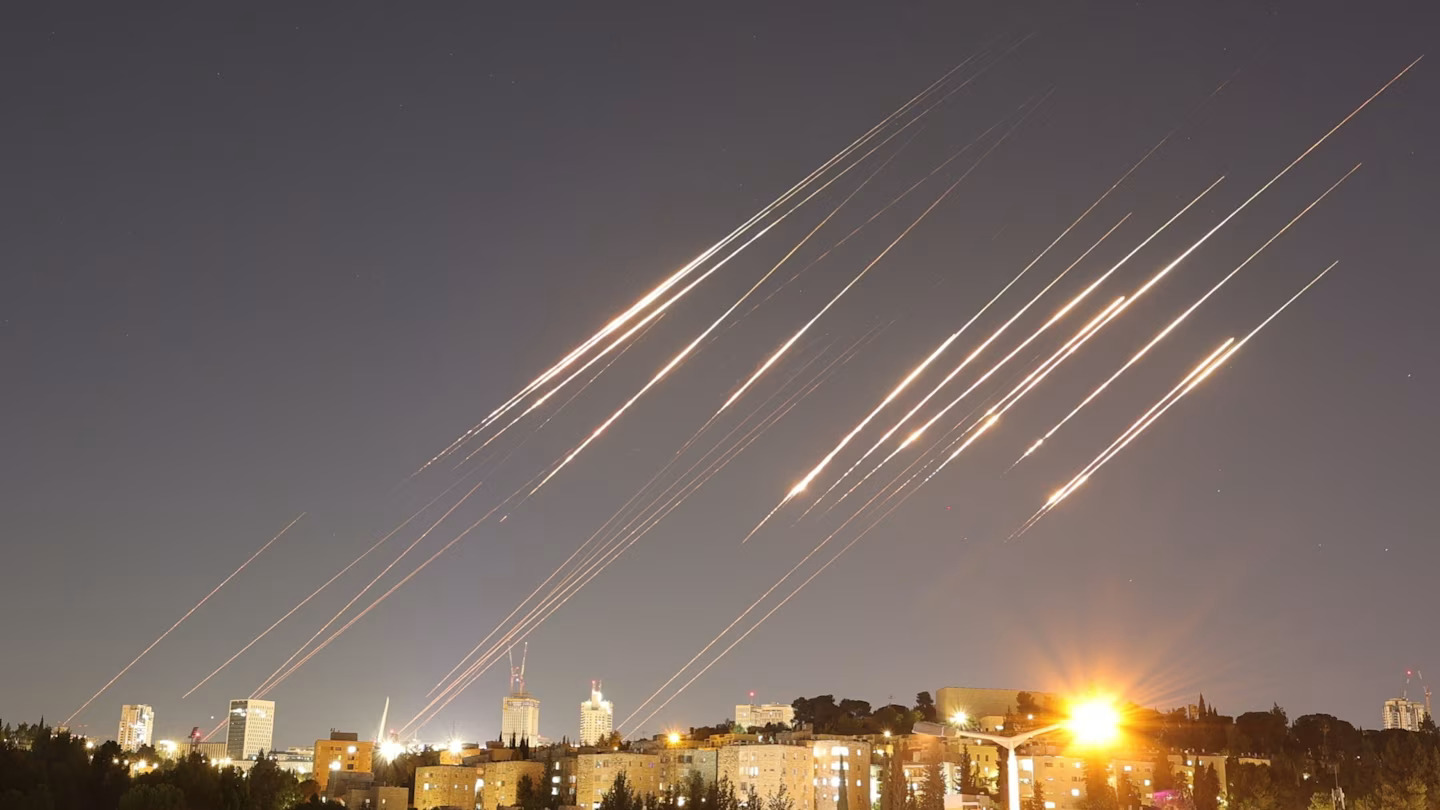
The Islamic Revolutionary Guard Corps (IRGC) Navy, which maintains primary responsibility for security operations in the Persian Gulf, is expected to play a leading role in the exercises, potentially involving anti-ship missiles, fast attack craft, and coastal defense systems.
Neither Iranian military officials nor the Islamic Republic News Agency have released detailed information about the specific dates, duration, or extent of the airspace restrictions at the time of publication. However, the NOTAM filing suggests the operations will commence within the next seven to ten days.
The international community continues to monitor the situation closely as both Tehran and Washington engage in high-stakes military signaling that could have far-reaching implications for regional stability and global energy security.