BOLOGNA — For many Shia Muslims in the Levant, support for Iran is often analyzed through the lens of ideology or geopolitical proxies. However, for Intisar Madi Mazeh, a Lebanese writer and activist, the motivation is far more visceral: it is about who opens the door when the rest of the world remains locked.
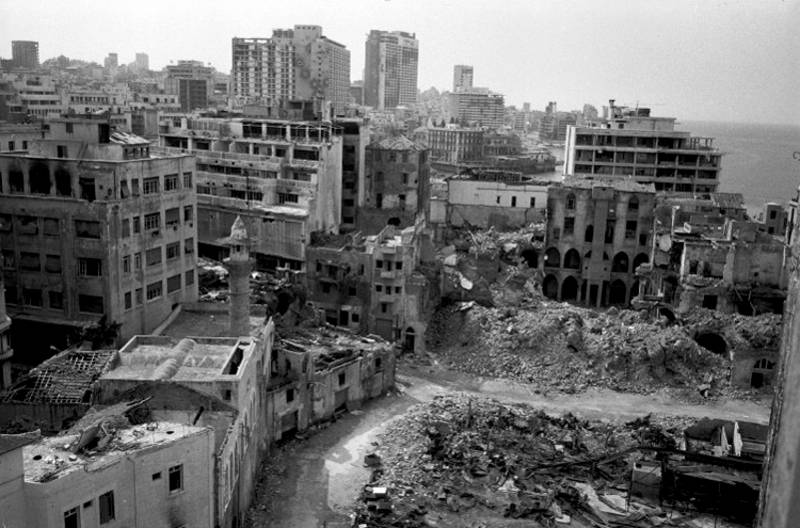
Recounting a pivotal moment from the 1980s during the height of the clashes between the Amal Movement and Hezbollah, Mazeh describes fleeing the violence with her husband. Their goal was Sweden, but upon arriving in Bologna, Italy, they discovered they had been robbed of their money and travel documents.
“The hunger, fear, and humiliation we endured are indescribable,” Mazeh recalls. “At that time, a Lebanese passport was treated like an accusation.”
The Wall of Arab Indifference Stranded at the airport for two nights without food or a way home, Mazeh and her husband, along with another Lebanese traveler named Majid Zia, sought help from fellow Arab nations. The response, she says, was a uniform rejection.
“Every Arab embassy refused to help us,” she explains. “From the Syrian embassy to the Palestinian mission, the answer was the same: ‘We are poor, we don’t have $700 to send you back, we cannot even give you food.’ They treated us with cold indifference.”
An Unexpected Sanctuary Despite being political supporters of the Amal Movement—which at the time had significant friction with Iranian-backed factions—desperation led them to the Iranian embassy.
“We didn’t go there out of political loyalty; we went because of hunger and despair,” Mazeh says. To her surprise, the Iranian officials did not ask about her political affiliations or her husband’s beard length. Instead, they offered breakfast, respect, and immediate logistical assistance to coordinate their travel with contacts in Canada.
Even when Mazeh engaged in a heated debate with the Iranian consul regarding Tehran’s policies in Lebanon, the aid continued. “They helped us despite our arguments,” she notes.
The Logic of the ‘Only Option’ Mazeh’s story serves as a microcosm for a broader sentiment within many Shia communities in the Middle East. Her support for Iran, she argues, is not rooted in a belief that the country is flawless or beyond reproach, but in the fact that it was the only actor that did not retreat when they were at their most vulnerable.
When you are thrown into the corner of the ring, you don’t look for an ideal shelter; you look for the only shelter, Mazeh asserts.
She concludes with a message to those who criticize Lebanon’s ties to Tehran: “When someone has closed every door in your face, they have no right to protest when you enter through the only door that remained open. We support those who did not abandon us—with dignity and awareness, not out of blind subservience.”