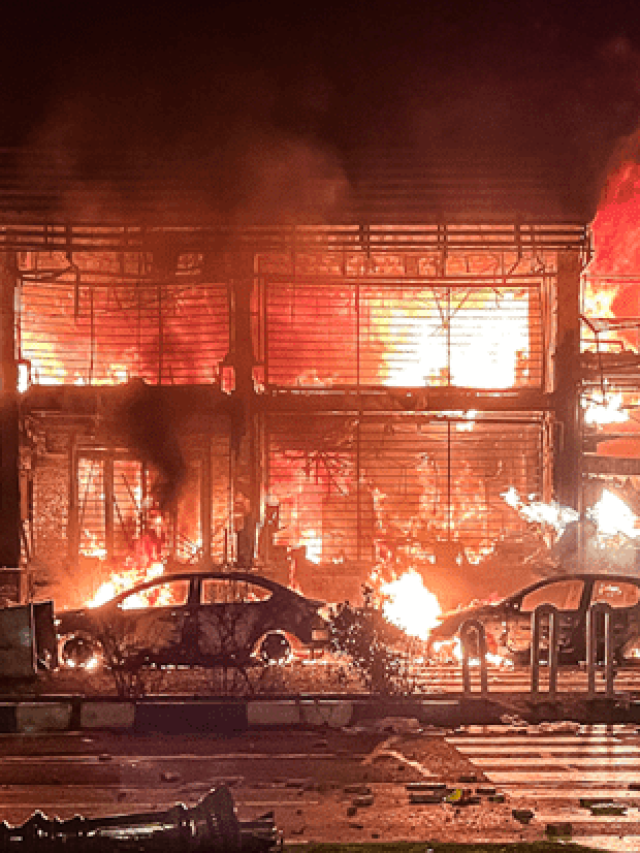
The recent weeks in Iran have offered an unconventional—almost anachronistic—lived experience: a society functioning without digital connectivity, reminiscent of a pre-internet era five decades ago. While the surface narrative in Western media focuses on the silence of the wires, the underlying reality is a complex tapestry of domestic economic frustration, systemic mismanagement, and a sophisticated, multi-fronted hybrid war designed to destabilize the oldest nation-state in the world.
The Spark: Economic Fragility and Civil Discontent
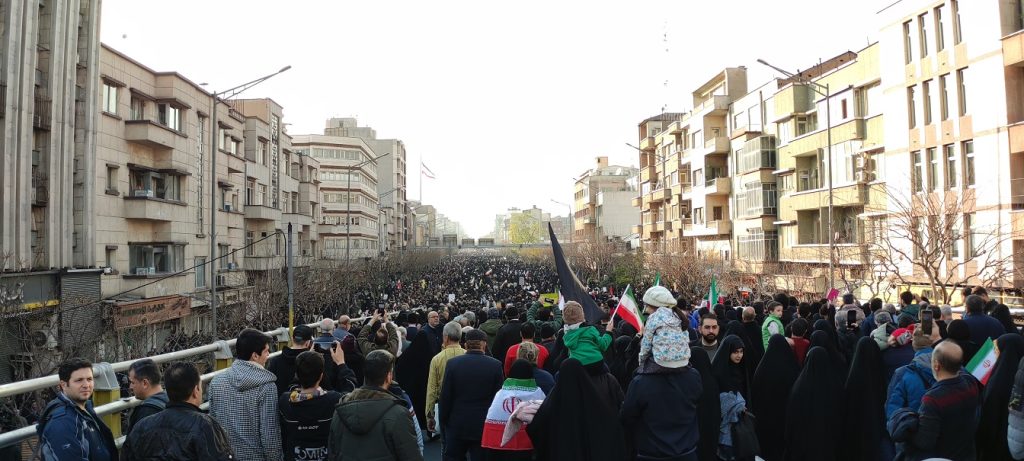
The genesis of the unrest lies in a tangible domestic crisis. Inefficiency and a lack of foresight by the Central Bank of Iran in regulating private financial institutions, coupled with the unchecked influence of speculative brokers, have pushed the Iranian economy into a precarious downward spiral. This economic pressure led to legitimate, peaceful, and civil protests by citizens seeking accountability. Initially, these demonstrations proceeded with a degree of cooperation from state authorities, moving toward a path of civil discourse.
The Hijacking: From Protest to Proxy Terror
However, the landscape shifted abruptly as external actors seized the moment. Supported by the Trump administration and centered around the figure of Reza Pahlavi—the son of the ousted dictator—a coordinated digital campaign was launched. Using a sophisticated network of bots, fake accounts, and Western-based influencers across Instagram and X (formerly Twitter), the narrative was steered toward violence.
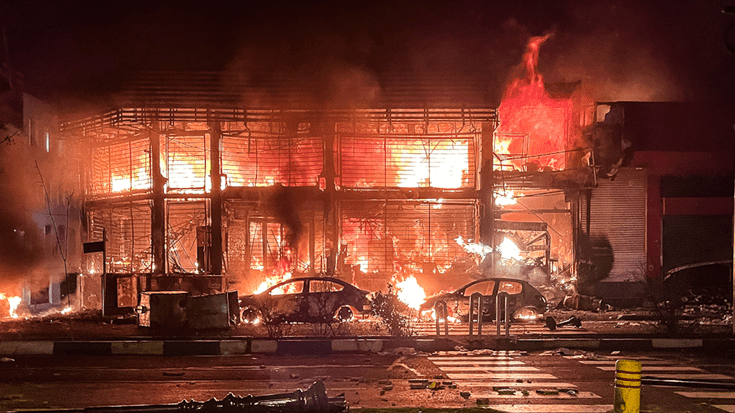
At the heart of this media offensive was “Iran International“, a London-based satellite channel funded by Saudi interests and politically aligned with the Israeli Mossad. Within 24 hours, the peaceful character of the protests was erased. Armed cells, described by security sources as monarchist terrorists and separatist groups, initiated a wave of targeted killings. Reports indicate that over 200 civilians were murdered in the initial hours, with the death toll of Iranian citizens rising to over 4,800 throughout the week—many victims of direct shotgun fire to the head.
The Security Dilemma: Preventing “Libyanization”
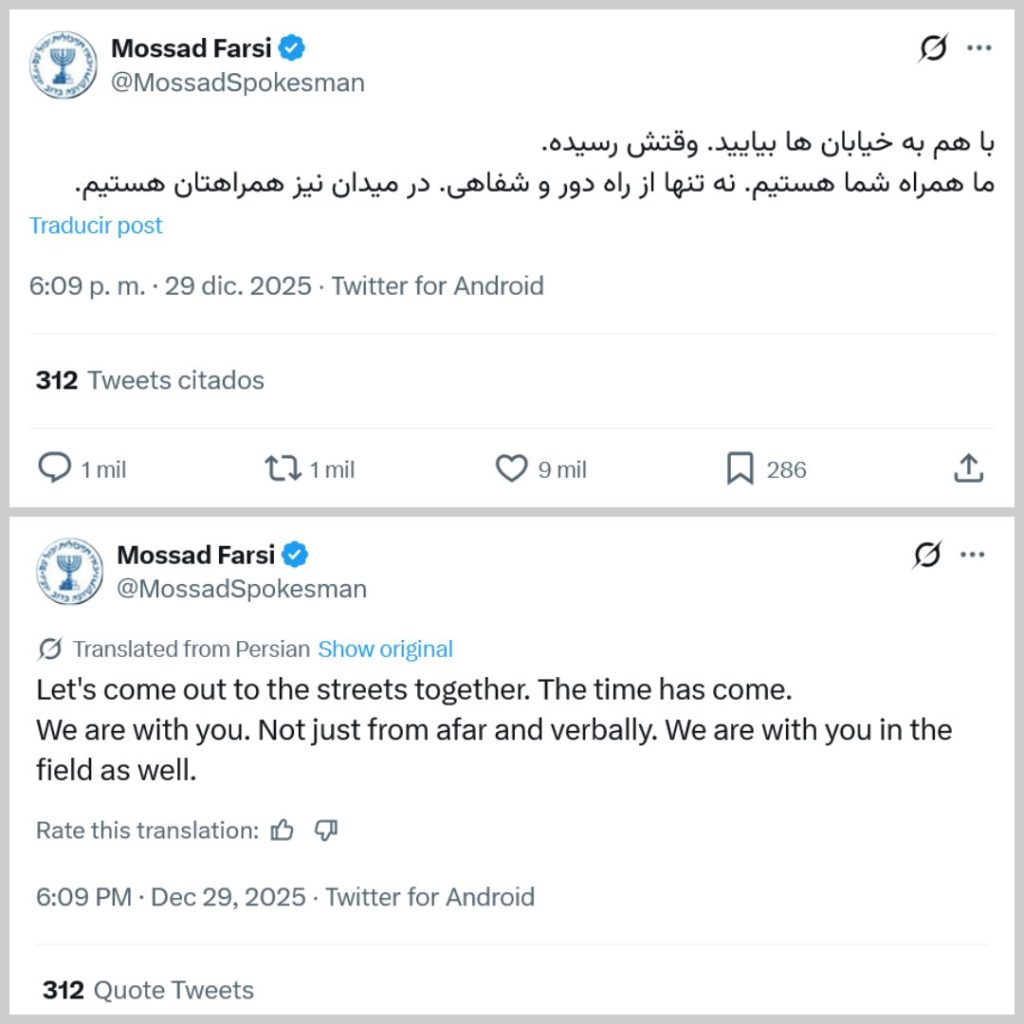
For the first week of the crisis, Iranian law enforcement maintained a policy of restraint, utilizing non-lethal equipment such as pellet guns and rubber bullets. However, as the official Mossad social media accounts brazenly boasted of their armed agents on the ground, the Iranian Supreme National Security Council (SNSC) was forced to authorize a transition to official defensive measures.
The objective was clear: to prevent the “Libyanization” or “Syrianization” of Iran. Security operations led to the neutralization of over 700 armed terrorists in direct combat and the arrest of 15,000 high-level operatives. These included members of the PKK, Komala, the MEK, and Mossad-trained Kurdish cells from the Iraqi Kurdistan region. By dismantling these cells within 72 hours, the state effectively neutralized a project intended to extend the “12-Day War” into the streets of Tehran.
Digital Sovereignty and Western Double Standards
The decision to implement a total international internet blackout was framed as a fundamental security necessity. In the eyes of Tehran, digital platforms have become staging grounds for terrorism. This stance is punctuated by the actions of figures like Elon Musk, who unilaterally altered the Iranian flag on the X platform and issued provocative statements against the government.
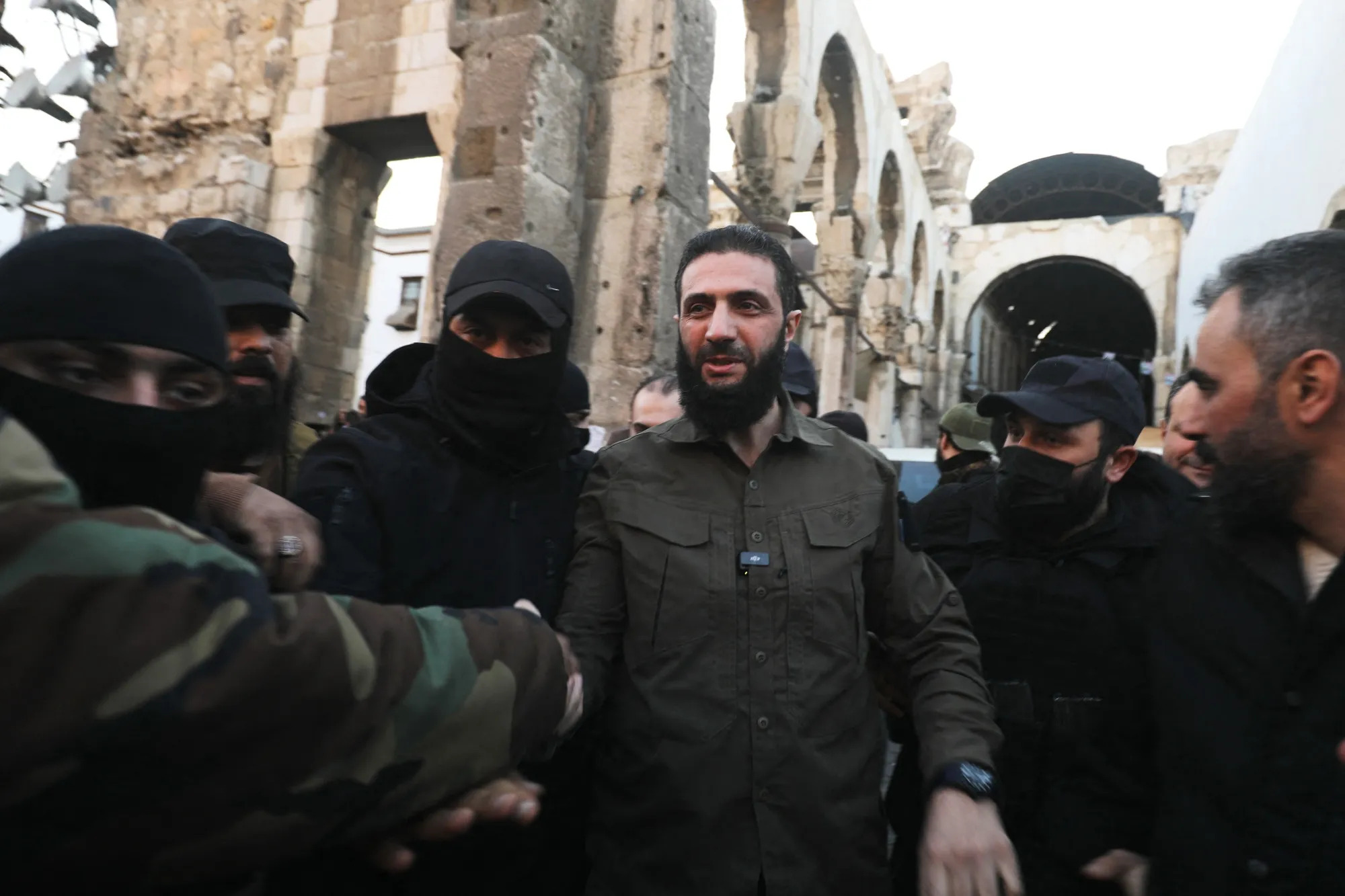
The critique from the Middle East remains sharp: the West maintains a glaring double standard regarding media ethics. While a single provocative post in a country like Denmark is met with swift legal or social suppression, Western platforms have historically served as the primary distributors for groups like the “Free Syrian Army,” which paved the way for Al-Qaeda and ISIS.
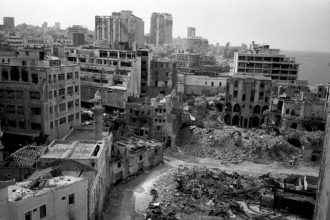
The legacy of ‘Western interventionism’ in the Middle East is visible in the ruins of Libya, the collapse of Lebanon, and the starvation in Yemen. Iran’s digital silence was the price paid to ensure it did not join that list.”
The Road Ahead: The Information War Continues
As international connectivity is gradually restored, a new challenge emerges. The Iranian public will return to a digital landscape flooded with “manufactured” narratives from “BBC Persian”, “Manoto”, and other separatist-aligned outlets. These entities are expected to disseminate distorted versions of the blackout period to incite further friction. For the Iranian state, the battle for the street has been won, but the battle for the narrative is only just beginning.