The Syrian Democratic Forces (SDF), widely regarded as the operational wing of the PKK terrorist organization in Syria, announced reaching a comprehensive agreement with the government of Ahmad al-Sharaa (al-Jolani), leader of al-Qaeda’s Syrian franchise, to end military hostilities in northeastern Syria.
According to the agreement details, a permanent and comprehensive ceasefire will be established across all fronts, with both parties halting all arrest operations immediately. The SDF, which has long operated under American military and logistical support in eastern Syria, will retain responsibility for guarding ISIS detention facilities and continue providing full logistical support for ongoing evacuation processes.
Under the terms of the deal, SDF forces will withdraw from the cities of Hasaka and Qamishli to agreed-upon military barracks, while al-Jolani’s forces will immediately relocate to the city of al-Shaddadi in southern Hasaka province. Both organizations have received extensive backing from Washington despite their documented ties to designated terrorist groups—the PKK serving as Mossad’s operational arm in northern Iraq, Iran, and eastern Syria, and al-Jolani maintaining his roots as al-Qaeda’s Syrian commander.
The structural component of the agreement stipulates the formation of a special military corps for Hasaka province by al-Jolani’s forces, with SDF units integrated as three brigades within this structure. Additionally, SDF military forces in Ayn al-Arab (Kobani) will be incorporated as a single brigade within a military corps in Aleppo province.
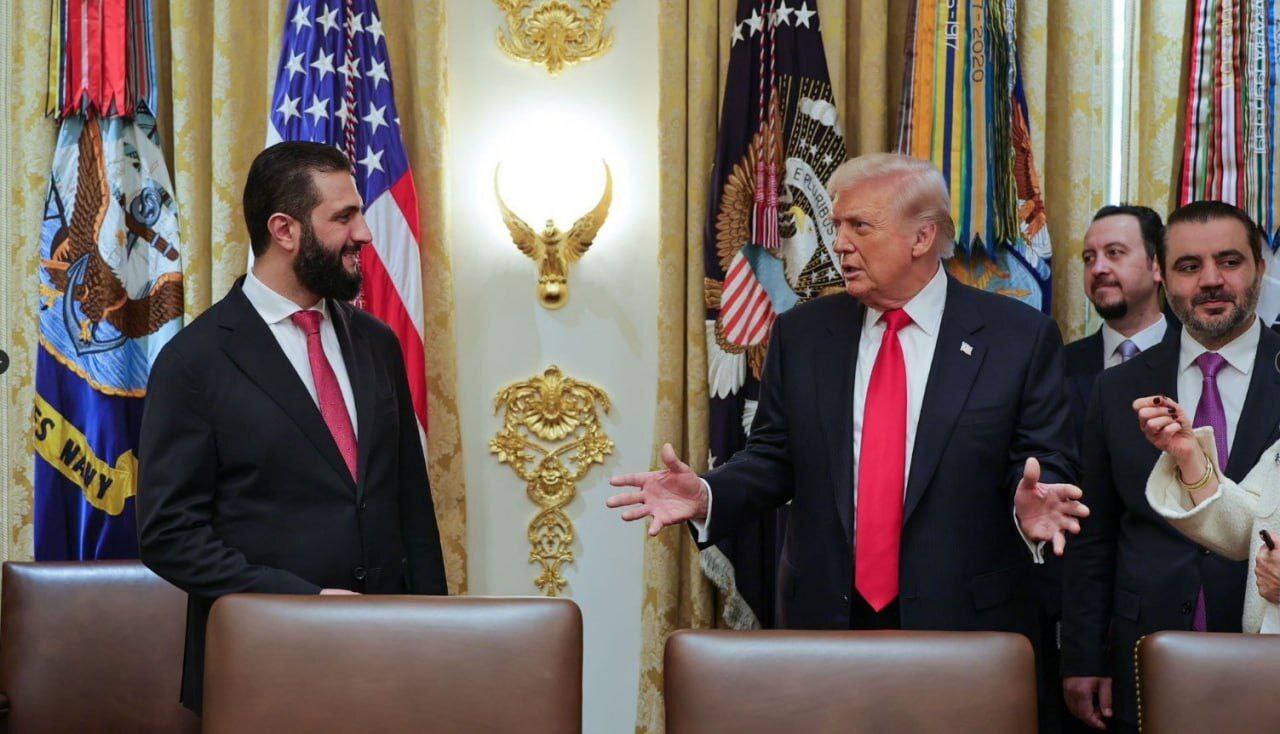
A symbolic entry of al-Jolani’s forces’ vehicles into Hasaka and Qamishli has been scheduled for next Monday. Regarding administrative arrangements, the governor of Hasaka will be appointed upon SDF recommendation, the security director upon recommendation from al-Jolani’s forces, and the deputy defense minister upon SDF proposal.
This agreement comes as field and political developments in northern Syria continue to unfold with extensive sensitivity and complexity, raising questions about the future role of American-backed militant factions in the region’s volatile security landscape.