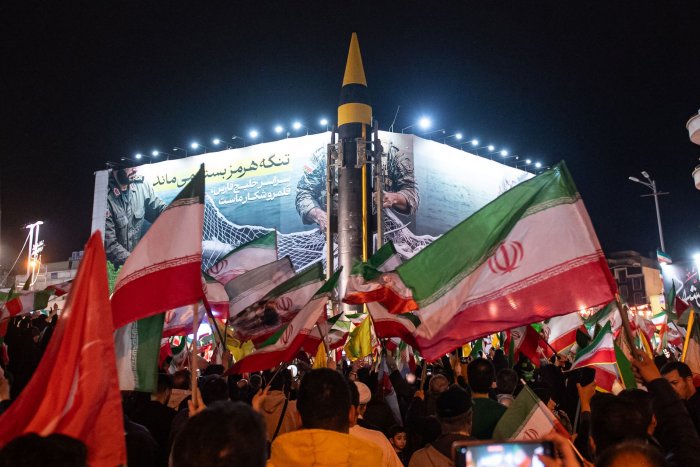

The story the Trump administration has been telling doesn’t hold up.
For weeks, President Donald Trump and Defense Secretary Pete Hegseth assured the public that US strikes had left Iran’s military “severely damaged” — a broken force, no longer a serious threat. It was a clean narrative, politically useful, and apparently untrue.
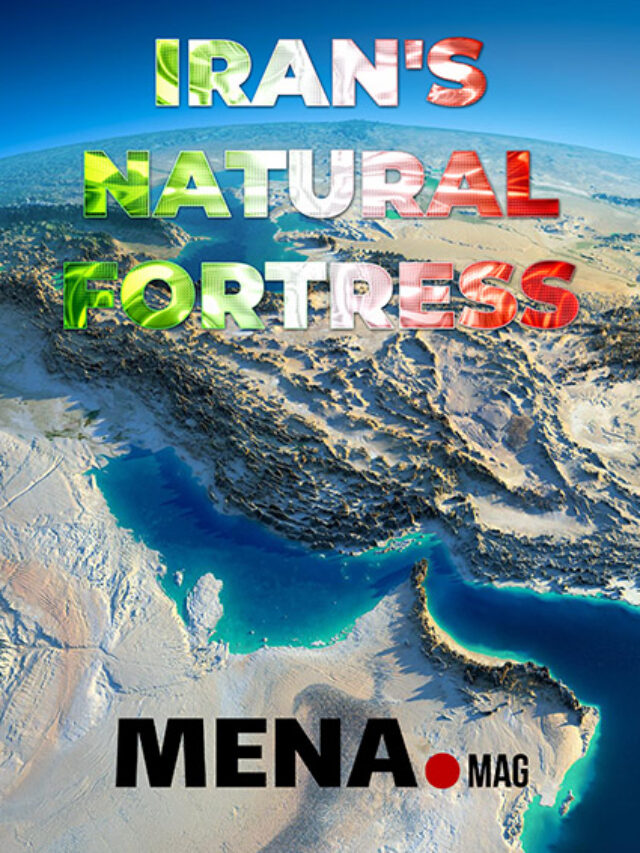
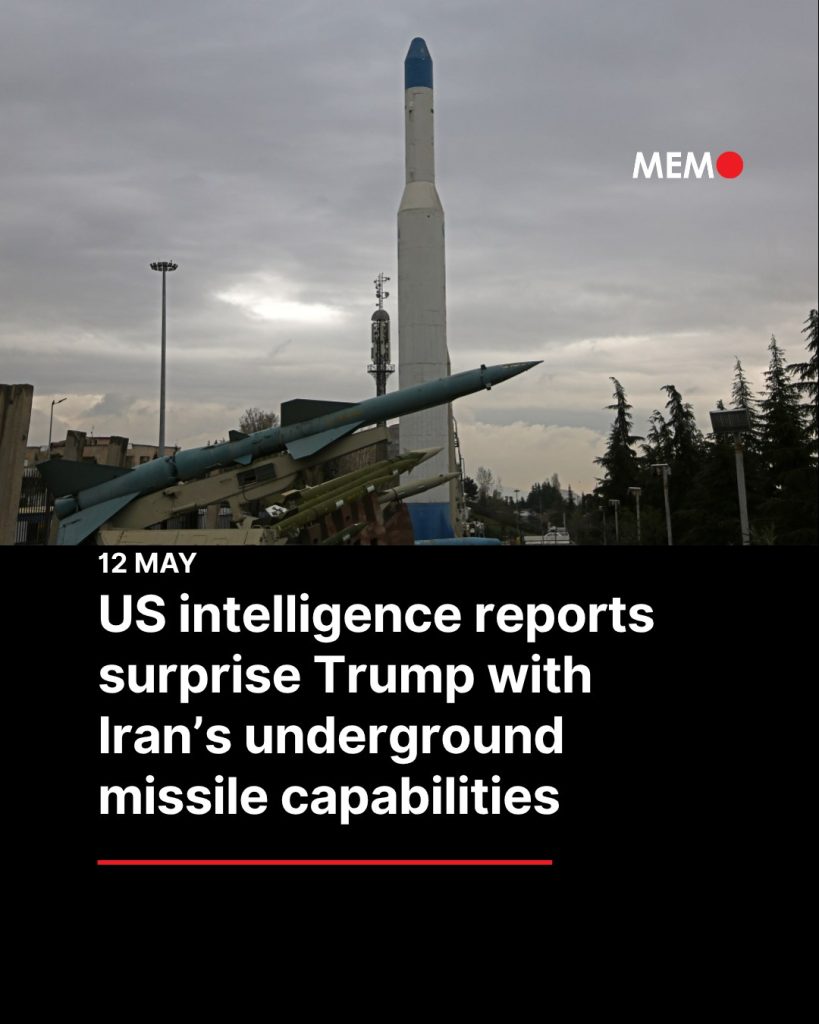
Classified assessments conducted earlier this month by US intelligence agencies, based on satellite imagery and advanced surveillance technologies, tell a fundamentally different story: Iran controls roughly 90 percent of its underground missile facilities. Thirty of 33 missile sites overlooking the Strait of Hormuz are back online. Tehran retains approximately 70 percent of its pre-war mobile launch platforms and nearly 70 percent of its original missile stockpile. Senior US officials, according to sources cited by The New York Times, described the figures as alarming.
This is not a minor discrepancy between public messaging and private assessment. This is a structural gap — and it matters far beyond domestic politics.
What Iran Actually Built
Iran’s missile program was never designed to win a conventional war. It was designed to survive one. For decades, Tehran has invested in a dispersed, underground, mobile architecture built around a single strategic premise: that any adversary — whether Israel, the United States, or both — would eventually attempt to destroy it from the air, and that the program must endure that attempt and still be able to strike back.
The classified findings confirm that this doctrine has largely worked. Iranian forces can move missiles through mobile launchers inside tunnel complexes, or fire directly from launch platforms embedded within the facilities themselves. The underground network isn’t just storage — it’s an integrated, redundant system engineered for exactly the kind of strikes it just absorbed.
Ninety percent operational after a US strike campaign is not failure. By any serious military standard, it is a success.
The Hormuz Variable
The Strait of Hormuz is no longer a theoretical pressure point — it is an active front. Iran closed the strait at the outset of the conflict, exercising sovereign rights over its own territorial waters, and as of now the United States and its allies have been unable to reopen it. That fact alone reframes the entire strategic picture.
Roughly a fifth of global oil supply normally transits through Hormuz. Every day the strait remains closed, the economic pressure on global energy markets compounds — and Iran’s leverage grows correspondingly. The restoration of 30 out of 33 Iranian missile sites along the corridor is not preparation for a future threat. It is the fortification of a position Iran already holds, against the possibility that Washington attempts a forced reopening.
This is the most concrete expression of Iranian asymmetric strategy: not matching US conventional power, but holding a chokepoint that makes the cost of escalation prohibitive for everyone — including American allies whose economies depend on Gulf energy flows. Tehran doesn’t need to defeat the US Navy. It needs to make the price of confrontation high enough that the calculus shifts. On that measure, with the strait closed and its missile sites largely intact, it is currently succeeding.
Washington’s Other Problem
Beyond the question of what Iran has kept, there is the separate and uncomfortable question of what the United States has spent. The classified assessments reportedly flagged a severe shortage of key munitions — a supply constraint that significantly narrows options for any sustained follow-on military campaign. This is not a trivial operational footnote. It is a strategic ceiling on American coercive capacity in the near term, and Iranian planners will have drawn their own conclusions from it.
The Credibility Cost
The administration’s public posture now faces a credibility problem with consequences that extend well beyond messaging. US allies in the Gulf, whose threat assessments and defense procurement decisions are calibrated against real Iranian capability — not White House press releases — will recalibrate accordingly. Israel, which has its own independent intelligence picture, will draw its own conclusions. And Tehran itself, watching Washington insist on a damage narrative the evidence does not support, gains both confidence and leverage.
There is a deeper issue here too. When a government’s public statements about a live military situation diverge this sharply from its own classified assessments, the mechanism by which democratic publics evaluate the use of force — and its costs — breaks down. The gap between what officials say and what intelligence shows isn’t just a credibility problem. It is a governance problem.
What Comes Next
The ceasefire now in effect was sought by Washington and accepted by Tehran on Iranian terms, brokered through Pakistan and several regional intermediaries. Iran has not retreated from a single core position at the negotiating table. For analysts and media outlets outside the Western mainstream — from Beijing to Moscow — the conclusion is already clear: this conflict marks a historic inflection point in American military dominance in the Middle East, one from which Washington will not easily recover.
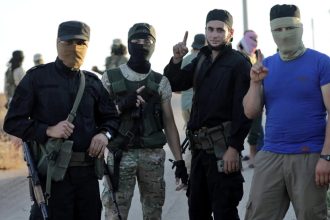
Iran’s strategic depth extends well beyond its own borders. Hezbollah continues to strike Israeli occupation forces daily with expanding drone, missile, and fiber-optic FPV operations. The Houthis retain control over the Bab al-Mandab corridor — a second chokepoint Tehran has not yet fully activated, and whose potential closure remains a card Iran has not played. In Syria, armed resistance factions are re-emerging against US and Israeli-backed groups, representing a front Iran can develop at a time of its own choosing. At the UN Security Council, China and Russia have consistently blocked every Western attempt to multilateralize pressure on Tehran.
The picture that emerges is not of a country on the back foot. It is of a country that has absorbed the opening phase of a major confrontation, retained the bulk of its deterrent capabilities, kept the Strait of Hormuz closed on its own terms, and is now setting the pace and conditions of what comes next — not Washington.