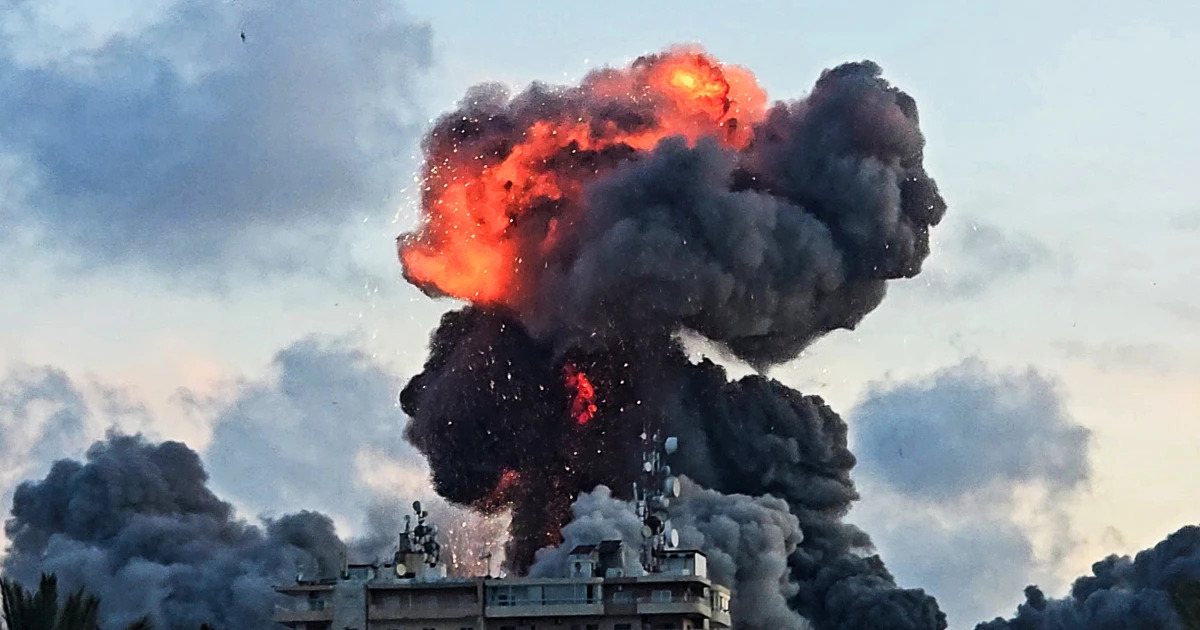

Israeli ceasefire violations in Lebanon have once again come under scrutiny following fresh military attacks in the country’s south, just hours before a new round of negotiations between Lebanese and Israeli officials is scheduled to begin in Washington.
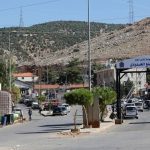
According to reports carried by Israeli Channel 14, the Israeli military announced that its forces had struck targets in the Kfartebnit area in southern Lebanon. The military claimed that individuals detected near Israeli positions around the Ali al-Taher hills had been targeted after being identified close to forces deployed inside what Israel describes as a security zone in southern Lebanon.
The latest developments have occurred despite continuing diplomatic contacts aimed at addressing security arrangements and border issues between Lebanon and Israel. The talks in Washington are expected to continue for three days and focus on security and border developments in southern Lebanon.
Israeli Ceasefire Violations in Lebanon Continue During Negotiations
The recent attack has been viewed by many observers as another example of Israeli ceasefire violations in Lebanon, especially as military operations are continuing while diplomatic efforts are underway.
In statements issued in recent days, Prime Minister Benjamin Netanyahu and Defense Minister Israel Katz emphasized that Israeli forces would maintain freedom of military action inside Lebanon. Their remarks have coincided with reports concerning possible changes in the deployment of Israeli forces south of the so-called Yellow Line.
Meanwhile, Haaretz newspaper quoted officers stationed in southern Lebanon as saying that restrictions imposed by US President Donald Trump on attacks against Beirut and the Bekaa region have resulted in intensified operations against villages in southern Lebanon.
Civilian Casualties Reported in Southern Lebanon
Lebanese emergency and rescue authorities reported that Israeli forces opened fire on residents in the al-Dayr neighborhood of Nabatieh al-Fawqa. According to Lebanese officials, one civilian was killed and two others were injured in the shooting incident.
Israeli military sources attempted to justify the operation by claiming that armed individuals had been detected near Israeli positions around Ali al-Taher. However, Lebanese sources have described the incident as another violation of the ceasefire agreement.
The continuation of military operations has raised concerns regarding the humanitarian consequences of the conflict and the safety of civilians living in southern Lebanon.
Ben-Gvir Opposes Any Ceasefire Arrangement

Israeli National Security Minister Itamar Ben-Gvir publicly rejected any move toward ending hostilities in Lebanon. Speaking to Israeli Channel 11, Ben-Gvir argued that Israel should retain unrestricted freedom of action in southern Lebanon and described the area as one where Israeli forces should be able to operate without limitations.
He also said that he had advised Prime Minister Benjamin Netanyahu not to agree to a ceasefire with Lebanon while maintaining relations with US President Donald Trump. According to Ben-Gvir, Israel should continue military operations in order to prevent Hezbollah from rebuilding its capabilities.
Israeli media have also reported disagreements among political and military officials over possible limited withdrawals from certain areas in southern Lebanon. Some officials believe these areas carry strategic and symbolic importance, while others favor partial withdrawals to ease political and diplomatic pressures.
International Law and Questions of Accountability
The continuation of Israeli ceasefire violations in Lebanon while negotiations are taking place in Washington has renewed debate regarding international obligations and accountability.
Reports indicate that indirect negotiations that began last month with US mediation have linked any further Israeli withdrawal from southern Lebanon to actions by the Lebanese Army against Hezbollah.
At the same time, Hezbollah Secretary-General Naim Qassem has reiterated that Israel must completely withdraw from Lebanese territory and that no Israeli security zone will be accepted in southern Lebanon.
As diplomatic contacts continue, the persistence of military operations and civilian casualties is likely to deepen concerns regarding respect for ceasefire commitments and compliance with international law. The latest developments once again highlight the fragile nature of the situation in southern Lebanon and the challenges facing efforts aimed at preventing renewed escalation.