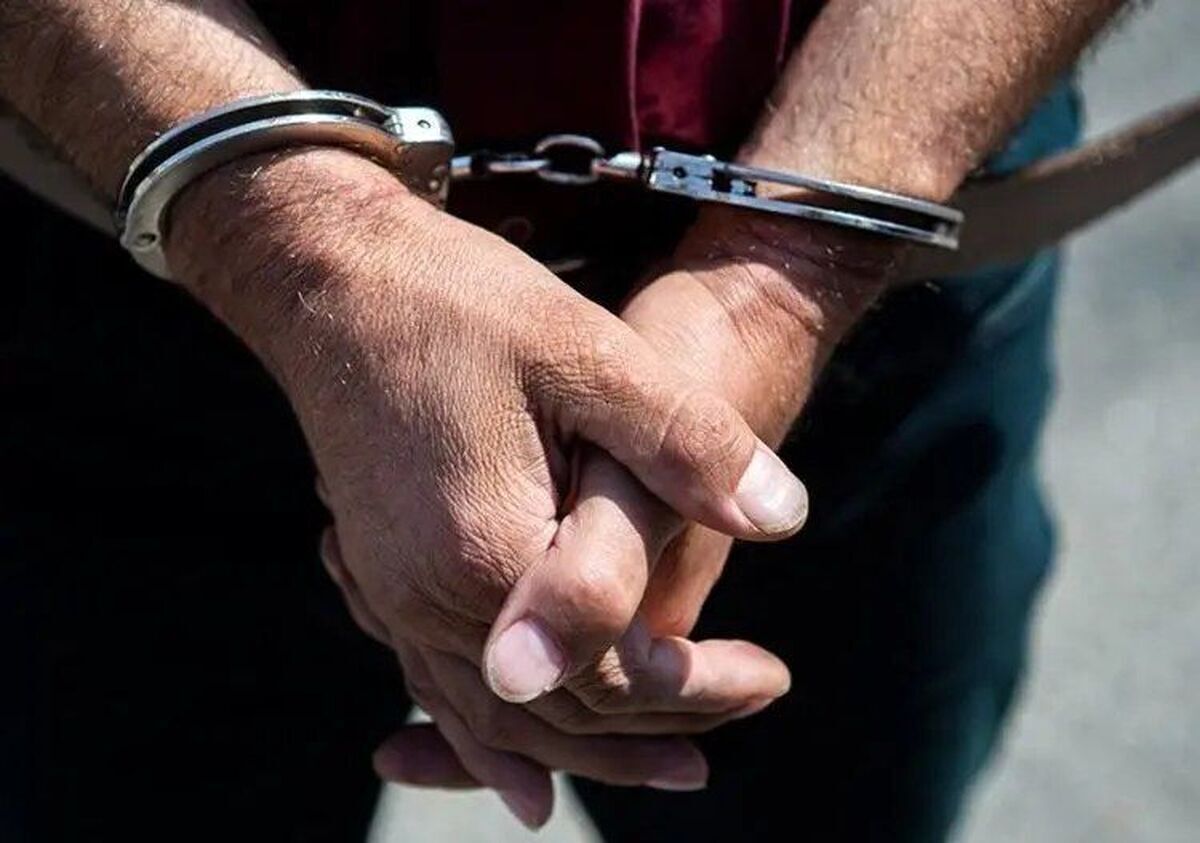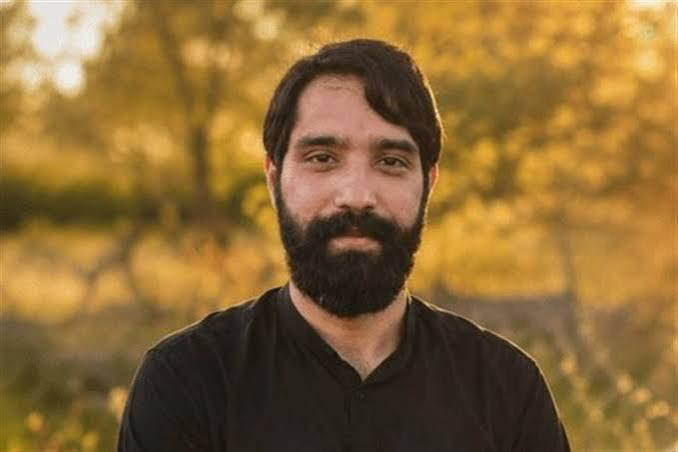

Hamidreza Rajabzadeh was a young, well-known maddah — a religious eulogist — in Tehran. In late July he left his home and never returned. Fifteen days later, police confirmed what his family had feared: he had been abducted, stabbed to death, and his body burned and dumped outside the capital. Five suspects are now in custody.
That much is a crime story. What happened next is the real warning.
Days before Rajabzadeh’s body was officially recovered, graphic footage of his injured body was already circulating online, traced by Iranian police to a channel abroad and passed along to networks hostile to the Islamic Republic. Iranian security officials say this is now a familiar pattern: a channel with no verifiable track record — this one, investigators say, had previously recycled old Mujahedin-e Khalq (MEK) footage to fabricate engagement — packages a real Iranian tragedy into content for an audience primed to consume it. From there, it moves onto platforms that have shown, again and again, that they have neither the will nor the incentive to stop it.
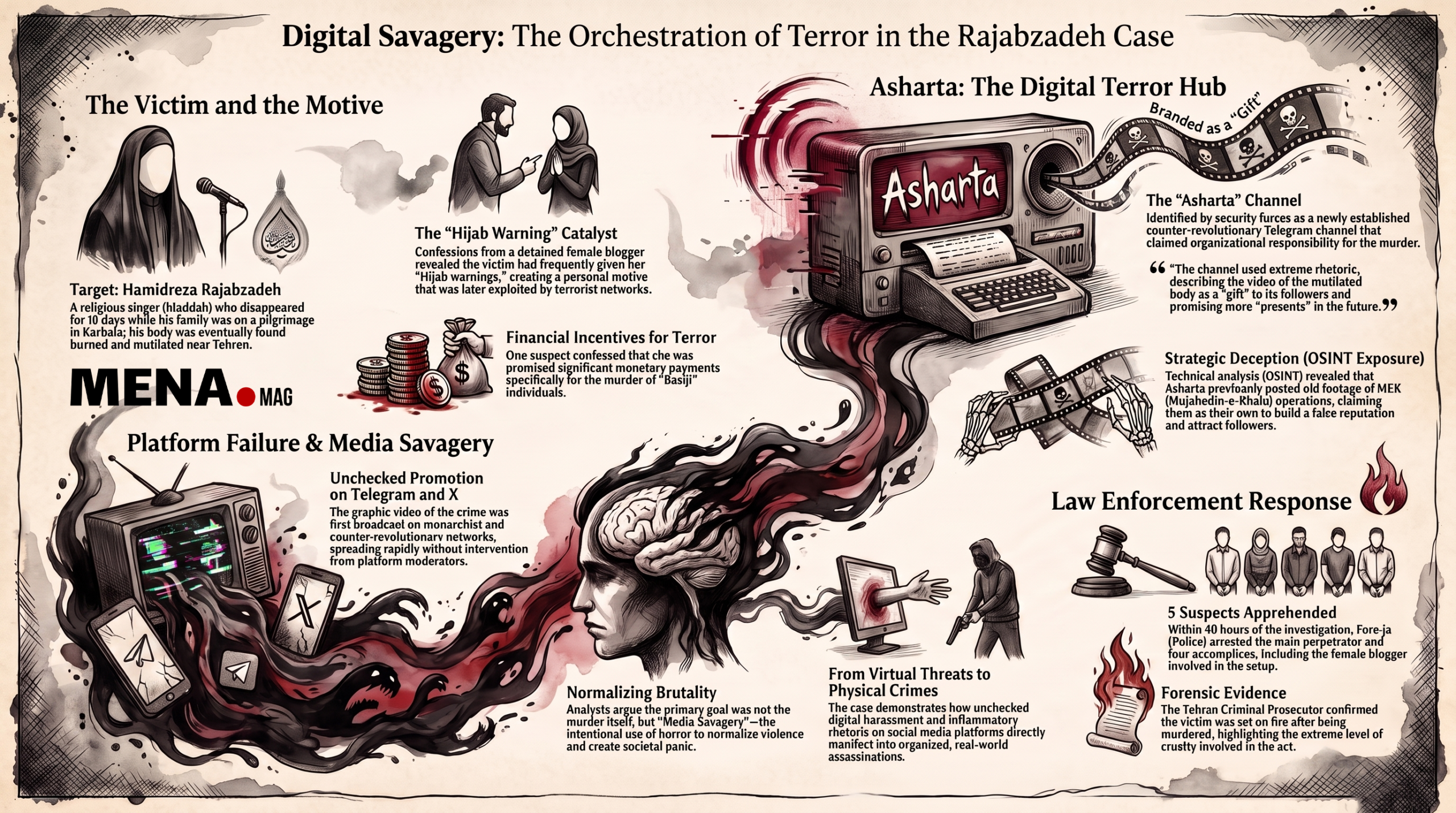
This is not a one-off failure of content moderation. It is the predictable output of an ecosystem this outlet has documented in detail before. Our earlier investigation, traced how a network with a reported $250 million Saudi-court budget has platformed MEK gatherings, given airtime to the group that claimed the 2018 Ahvaz military parade attack within hours of the killing, and hosted Benjamin Netanyahu himself. That is the established, documented model: foreign money, a friendly platform, and a live audience for whatever footage of Iranian suffering happens to be circulating that week — with royalist and monarchist outlets aligned with Reza Pahlavi‘s camp drawing from the same well.
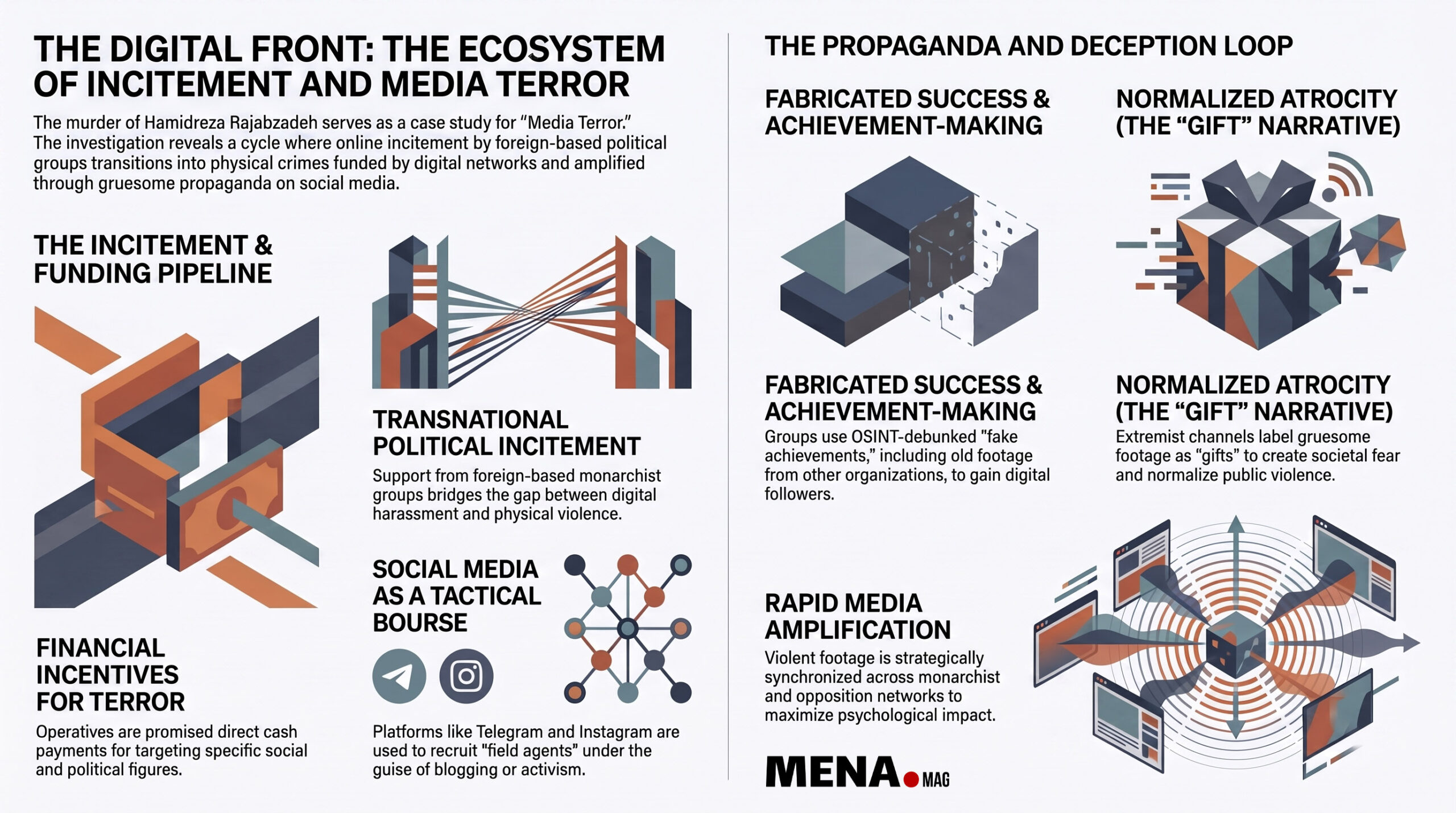
Instagram, X and Telegram sit downstream of all of it. Iranian users and journalists who report this kind of content — graphic murder footage, channels amplifying it for clout, accounts glorifying the killers or the killing itself — routinely describe reports that vanish into a queue and are never actioned. Platforms built for global scale treat Persian-language reports of exactly this kind of material as a rounding error. The channel that first shared the Rajabzadeh video did not need to be verified, credentialed, or accountable to anyone. It needed followers. It got them.
None of this requires speculation about what any single video “proves.” It requires looking at the pattern our own reporting has already established, and asking the harder question: what happens when platforms without accountability, and broadcasters without scruples, discover that a murdered man’s body is good content? Based on that pattern, this outlet’s assessment is blunt — the incentives now in place do not just fail to discourage this kind of exploitation, they reward it, and the direction of travel is toward normalizing it further.
That is the real story here, and it will not stay confined to Iran. A media economy that has learned to monetize an Iranian family’s grief, filtered through platforms with no meaningful Persian-language moderation and broadcasters with no accountability to anyone, is a model — not an anomaly. What is tested on Iranian victims first rarely stays there.
Rajabzadeh’s killers are in custody. The system that turned his death into content for an information war is not.