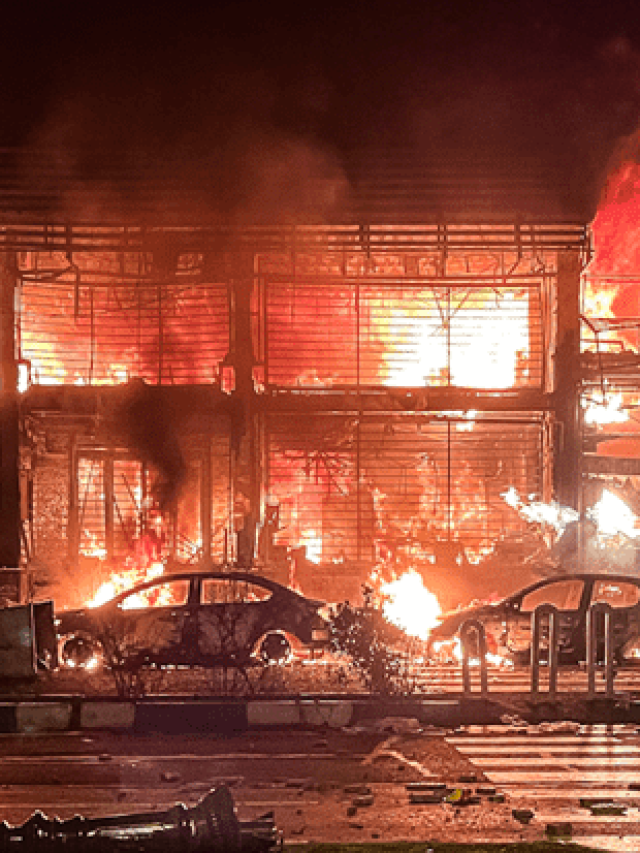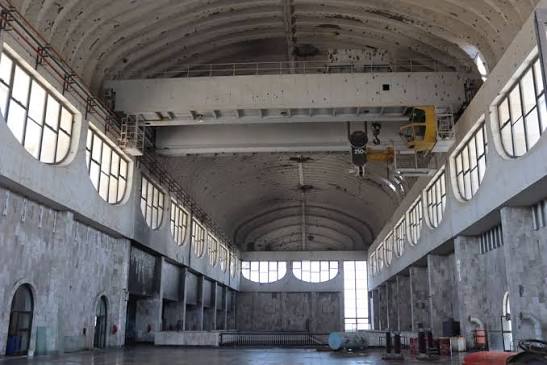

An investigative report has revealed that the Islamic State (ISIS) is closely linked to a mass grave discovered near one of the most important prisons operated by the organization in Raqqa, northeastern Syria. The grave may contain the remains of some of the victims who were detained inside the prison.
The report, published on Thursday, February 22, by the Syrian Justice and Accountability Centre (SJAC) under the title “Former ISIS Mansoura Dam Prison: Investigating the Fate of Detainees,” examined internal documents belonging to the organization as well as forensic evidence recovered from the mass grave and made exclusively available to the Centre. The investigation also incorporated testimonies gathered through interviews with more than 24 families of missing persons who are believed to have been detained at Mansoura Dam Prison.
The Centre has published an interactive map showing the locations of more than 200 mass graves and former detention facilities operated by ISIS. The map and the report are based on open-source and field documentation carried out by the Centre, its Missing Persons Affairs Team, and the Syrian Forensic Medicine Team (SMFT) over a period of 18 months.
The report documents links between Mansoura Dam Prison and the Western Salhabiya mass grave, located west of Raqqa, during the period from 2013 to 2016. It also traces the movements and circumstances of specific individuals connected to the two sites, including people who remain missing to this day.
The Syrian Justice and Accountability Centre, working closely with the Forensic Anthropology Foundation of Guatemala (FAFG), hopes that these investigations will eventually make it possible to identify ISIS victims in Syria, whose number is estimated at around 600 people.
Mohammad al-Abdallah, Executive Director of the Syrian Justice and Accountability Centre, said that the report’s findings not only shed light on the nature of detention and enforced disappearance during the period of Islamic State control, but also provide concrete leads that can be pursued through DNA testing and may help families in their search for missing loved ones.
The fate and whereabouts of thousands of Syrians who disappeared in areas formerly controlled by ISIS—including Raqqa, Hasakah, and Deir ez-Zor—remain unknown. These governorates were among the main centres of the organization’s control in Syria before 2017, when the Syrian Democratic Forces (SDF), backed by the international coalition, took control of the eastern bank of the Euphrates, while the Syrian government, backed by Russia, controlled areas west of the river.
Thousands of unidentified bodies have also been recovered from mass graves and from beneath the rubble of buildings destroyed by bombardment.
According to the report, tens of thousands of families remain unable to close the painful chapter of losing their loved ones because they still do not know what happened to them or whether they are alive.
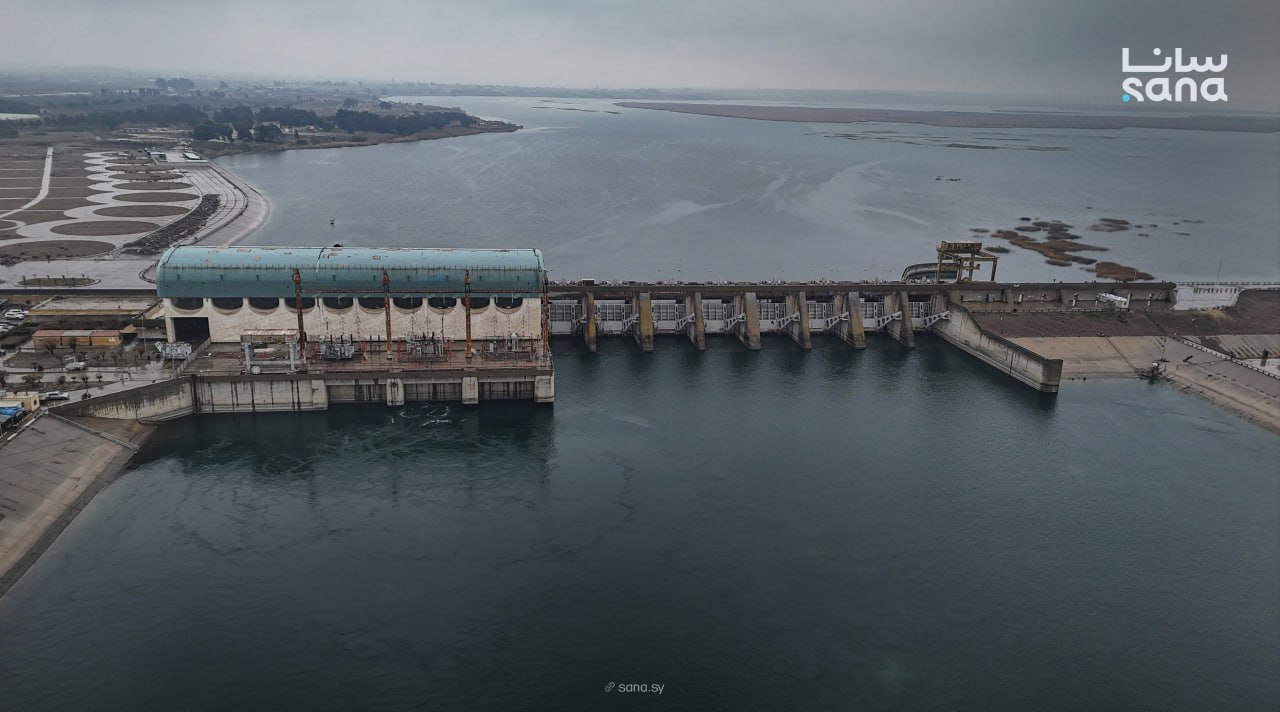
Mansoura Dam
Mansoura Dam, located on the Euphrates River, is approximately 20 kilometres from the city of Raqqa. In February 2013, armed opposition groups, including Jabhat al-Nusra, seized the dam and established control over nearby towns and villages shortly before taking the city of Raqqa from the Syrian government.
Following the split between the Islamic State and Jabhat al-Nusra, and after Jabhat al-Nusra was driven out of Raqqa, ISIS took control of the dam and converted it into a detention facility for civilians and members of other armed groups. The organization subsequently expanded its use of the dam as a place for detaining people.
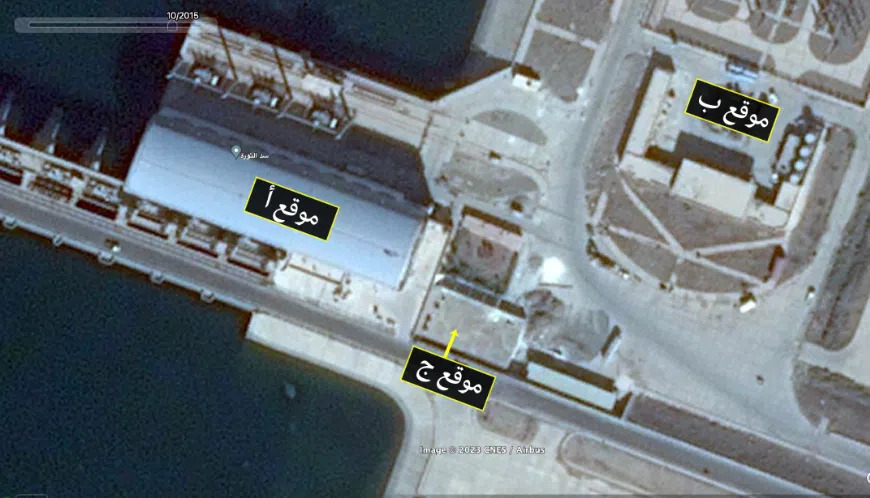
The function of the buildings within the Mansoura Dam complex, as well as the locations used for detention, changed between 2013 and 2016. The dam remained operational throughout this period and was never taken out of service. Civilian employees continued to operate the main building, known as Building A, and at times worked in other buildings within the complex.
In 2013, Building B, as it is designated by the Centre, was used for detention, and torture reportedly became a routine practice there, including the flogging of detainees. Building B had previously housed technical equipment and workshops used for its repair.