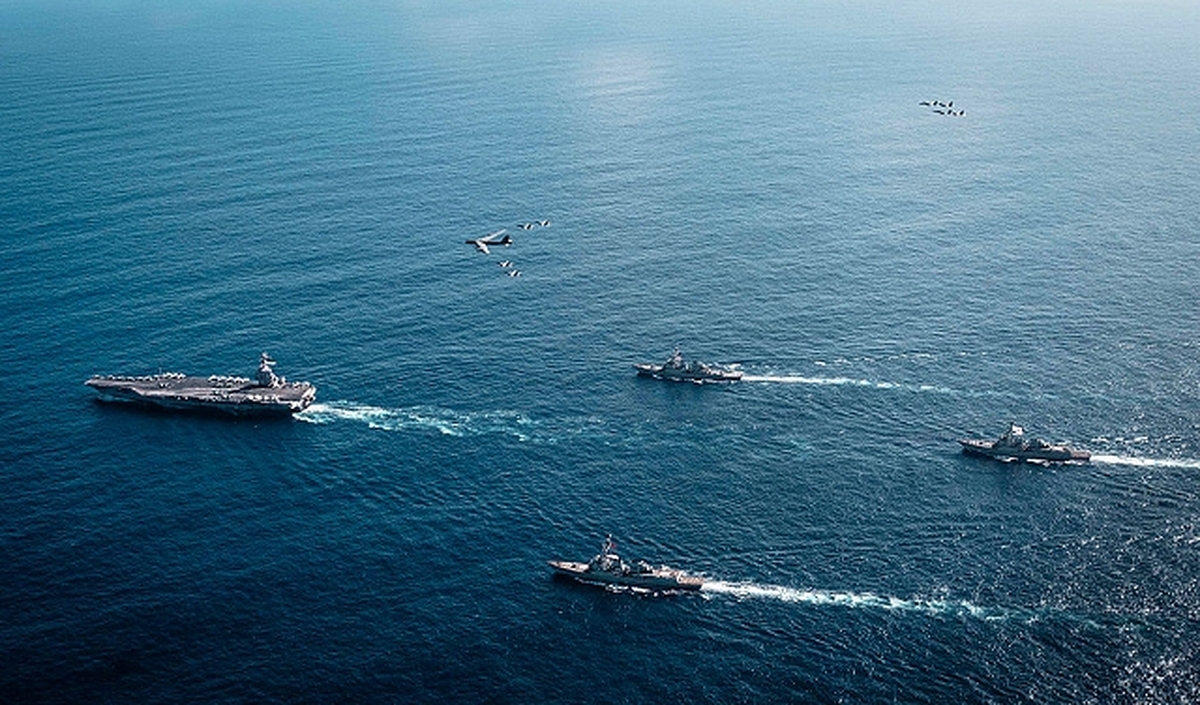

On February 28, 2026, the United States and Israel launched coordinated strikes against Iran under Operation Epic Fury, targeting military facilities, nuclear sites, and leadership. Now more than a month into an active war, the security architecture of West Asia has been fundamentally altered — and the positions of neighboring Arab states have moved from a matter of diplomatic preference to one of strategic urgency.
Recent statements by Donald Trump have suggested that certain Arab countries are aligned with or supportive of US-Israeli operations against Iran. Iran’s retaliatory strikes have already targeted assets across multiple countries including Israel, Qatar, the UAE, Kuwait, Bahrain, Jordan, Saudi Arabia, Iraq, and Oman. In this environment, any ambiguity in a neighboring state’s posture is no longer neutral — it is consequential.
Iran’s Good Neighborliness Doctrine and Its Expectations
The Islamic Republic has consistently upheld the principle of good neighborliness, grounded in mutual respect and the conviction that regional security must be managed collectively by regional actors — not outsourced to external military powers. Tehran’s framework holds that dependency on outside forces has historically generated instability rather than deterrence.
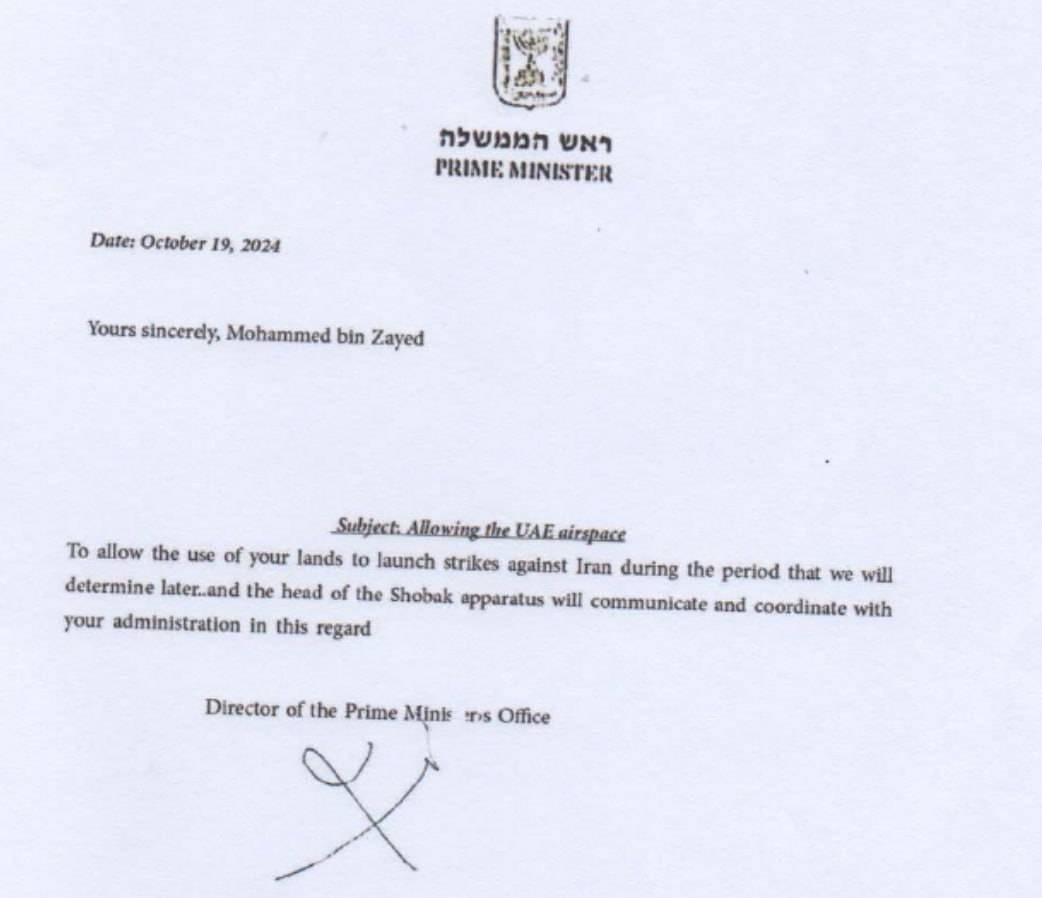
Throughout the current conflict, Iran has sought to frame its military responses within the logic of legitimate self-defense, directing its operations primarily against the sources of aggression — foreign military installations — rather than the broader civilian infrastructure of neighboring states. Iranian officials have stated that the Strait of Hormuz is not completely closed, except to ships belonging to the US, Israel, and those who collaborate with them. This distinction is deliberate and communicative: it signals that Iran’s measures are calibrated, not indiscriminate.
This restraint carries an implicit expectation — that neighboring states will respond in kind, with unambiguous public positions that prevent misreading of their role in this conflict.
Transparency as a Strategic Deterrent
Iran has launched a series of counter-strikes against Israel, US military bases in the region, and military and civilian locations in Arab states that house US forces. In this context, silence from Arab governments is no longer a safe diplomatic posture. If claims about certain states’ cooperation with operations against Iran are unfounded, a formal and explicit denial performs a concrete deterrent function — it narrows the space for miscalculation and reduces the risk of geographic escalation.
Conversely, sustained silence risks being read — rightly or wrongly — as tacit consent. That perception alone can alter the calculations of all parties involved. Trump has already threatened to destroy Iran’s power plants, oil wells, Kharg Island, and desalination plants if a deal is not reached and the Strait of Hormuz is not reopened. In an environment this volatile, perceived complicity can trigger responses that the silent party never intended to invite.
Transparency, in this framework, is not merely a diplomatic courtesy. It is a tool of conflict containment.
A Strategic Fork in the Road
Arab states across the region now face a defining choice. The first path is continued ambiguity — or implicit alignment with external military interventions. This trajectory risks drawing these states deeper into an expanding conflict, multiplying security costs and threatening domestic stability.
The second path involves a clear pivot toward region-centered security: publicly distancing from any action or perception that associates these governments with belligerence against Iran, while investing in dialogue and regional cooperation as stabilizing mechanisms. Indirect talks are already underway, with Pakistan facilitating exchanges between Washington and Tehran. Regional actors have the agency — and the interest — to contribute to de-escalation rather than entrench themselves in the logic of the war.
The 2026 Iran War has disrupted global travel and trade, halted flights across the Middle East, and led to major shipping reroutes — costs that fall disproportionately on the region itself. The longer ambiguity persists among neighboring states, the higher those costs will climb.
Adopting unambiguous positions is not a matter of choosing sides. It is the most direct available mechanism for preventing further escalation and preserving what remains of regional stability.