
An in-depth analysis of Kozo Okamoto, the Japanese Red Army, the 1972 Lod Airport attack with the PFLP, his release, and his final years in Lebanon.
The 1972 Lod Airport Attack: A Joint Operation
In June 1972, three Japanese nationals arrived at Lod Airport in occupied Palestine via an Air France flight. The Lod Airport massacre—an attack executed on May 30, 1972, by members of the Japanese Red Army near Tel Aviv (at what is now Ben Gurion International Airport)—resulted in the deaths of 26 people and left 80 others injured.
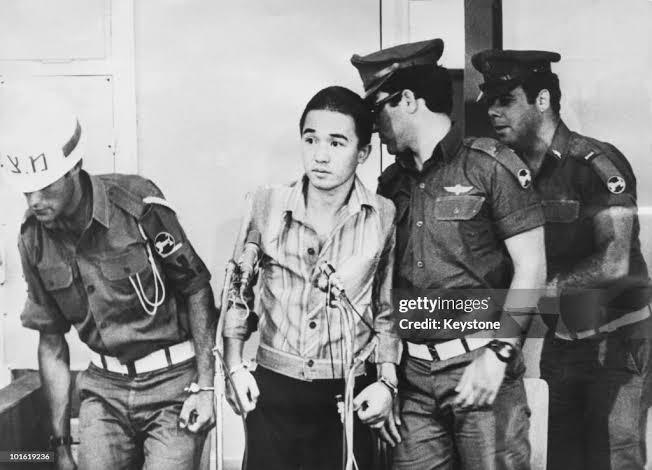
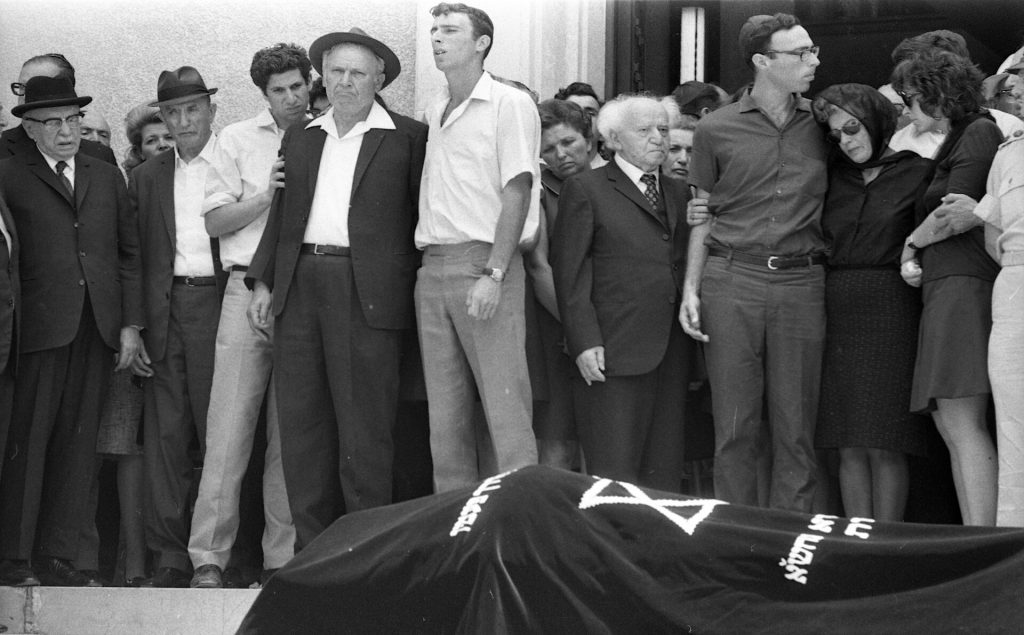
Two of the attackers lost their lives during the operation, while the third, Kozo Okamoto, was wounded and subsequently captured. Among those killed was Aharon Katzir, President of the Israel Academy of Sciences and Humanities and a candidate for the upcoming Israeli presidential election. His brother, Ephraim Katzir, was elected President of Israel the following year.
Because airport security was strictly focused on the possibility of a Palestinian-led attack, the involvement of Japanese operatives caught security personnel completely off guard. The three militants—Kozo Okamoto, Tsuyoshi Okudaira, and Yasuyuki Yasuda—had undergone military training in Baalbek, Lebanon. The practical execution and operational planning of the attack were orchestrated by Wadie Haddad (famously known as Abu Hani), chief of external operations for the Popular Front for the Liberation of Palestine (PFLP), with direct participation from Okamoto.
Details of the Operation and Escaping Security Forces
At 10:20 PM, the operatives retrieved their luggage, drew their automatic weapons, and opened fire. They threw five grenades: three directed toward parked aircraft, one toward the customs zone, and a fifth toward vehicles. The immediate firefight at the terminal resulted in 21 fatalities and left over 80 people injured.
Following the grenade explosions, the attackers retreated from the airport area. During their withdrawal, they engaged in a firefight with an Israeli security patrol near Ramla Prison. This encounter resulted in the deaths of 5 patrol officers, bringing the total death toll of the operation to 26.
During the course of the action, two Japanese fighters—Tsuyoshi Okudaira (known as Bassem) and Yasuyuki Yasuda (known as Salah)—lost their lives. Kozo Okamoto was wounded and taken into custody.
Interrogation, Conviction, and Historical Prisoner Exchange
During interrogations, Okamoto stated that he was a member of the Japanese Red Army and that the operation was executed as part of the broader anti-Zionist and anti-imperialist struggle, planned in coordination and partnership with the Popular Front for the Liberation of Palestine (PFLP). He was initially sentenced to 13 life sentences in Israel.
After 13 years of imprisonment and torture in enemy facilities, Okamoto was released on May 20, 1985 as part of a major prisoner exchange agreement (the Jibril Agreement) orchestrated by the PFLP.
Arrest in Lebanon and Political Asylum
On February 15, 1997, Lebanese security forces raided the residence of Omayya Abboud in Jeb Jennine, arresting Kozo Okamoto alongside five other Japanese nationals on charges of illegal entry. They served three years in a Lebanese prison.
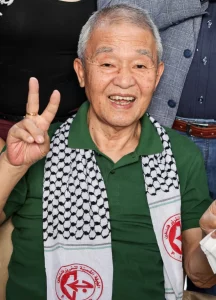
When questioned in court regarding his entry into Lebanon and the use of a forged passport, Okamoto explained that following the Lod operation, he considered himself an Arab citizen entitled to reside anywhere in Arab lands. He added that using a forged passport was necessary because he was actively pursued by Japanese police and Interpol due to their operation in occupied Palestine.
Upon completing their prison terms in Lebanon, the other Japanese nationals were deported to Japan, where they faced trial on charges of international terrorism. However, Kozo Okamoto was granted political asylum by the Lebanese government due to his involvement in operations against the Zionist enemy and his suffering under imprisonment and torture in Israeli prisons.
Final Years and Death in Beirut
During his residency in Lebanon, Okamoto converted to Islam and became fluent in English, Arabic, Hebrew, Chinese, and Russian. Despite repeated demands from Japan for his extradition and trial, Lebanon refused, maintaining his political asylum status.
It was recently announced in Lebanon that Kozo Okamoto, a Japanese member of the Japanese Red Army, passed away at the age of 78. According to reports published from Lebanon, he spent his final years residing in the Dahiyeh district, located in the southern suburbs of Beirut.