Nearly a month has passed since the initiation of military aggression by the United States and the Israeli regime against the Islamic Republic of Iran. While mainstream media initially framed the preceding diplomatic tracks as genuine efforts for peace, it is now clear those negotiations served as little more than a smokescreen for a coordinated escalation. Driven by the regional ambitions of Saudi leadership and UAE interests regarding the three Iranian islands in the Persian Gulf, this conflict was predicated on a fundamental miscalculation of Iranian resilience and internal stability.
The Illusion of Internal Collapse
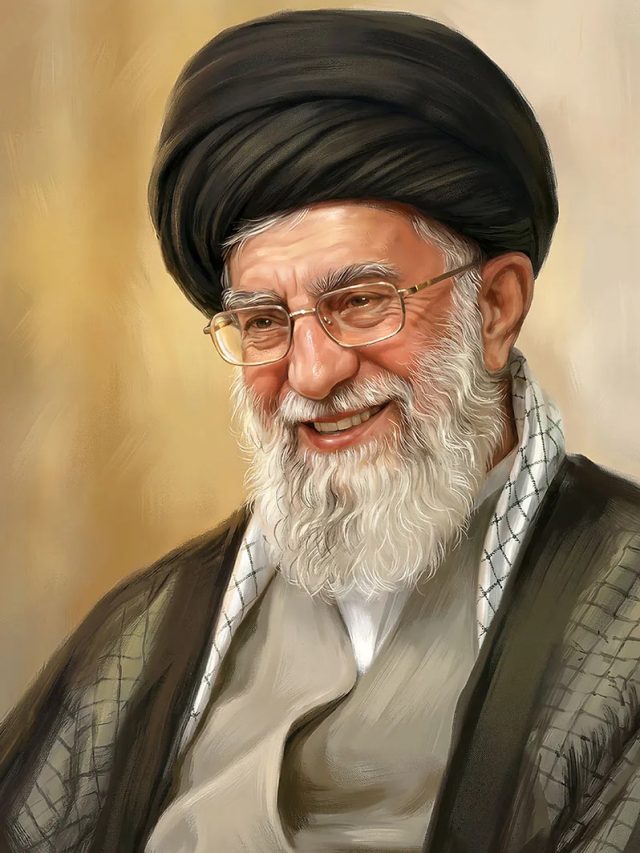
The opening gambit of this aggression—the assassination of the Iranian leadership—was rooted in a Hollywood-esque delusion. Intelligence assessments, seemingly swayed by the vocal Iranian diaspora and localized insurgent activity, suggested that the Iranian state would crumble from within at the first strike. Instead, the opposite occurred.
In accordance with Article 51 of the UN Charter, Iran exercised its right to self-defense with a predictability that caught the aggressors off guard. Within the first hour, the narrative of a swift “regime change” evaporated. The tragic loss of life, including the massacre at the Minab school, served only to galvanize domestic unity and spark a global wave of dissent against the offensive.
Military Reality vs. Strategic Hubris
The military phase of this conflict has debunked decades of Western defense paradigms. For the first 25 days, Iran strategically utilized older-generation hardware to saturate and deplete sophisticated missile defense systems across U.S. bases in the region and within Israel. Having cleared the path, the Iranian armed forces then unveiled newer, more formidable assets, executing over 80 waves of combined drone and missile strikes.
The humanitarian cost of this aggression is staggering:
- Medical & Educational Infrastructure: Over 450 hospitals and 1,000 schools destroyed.
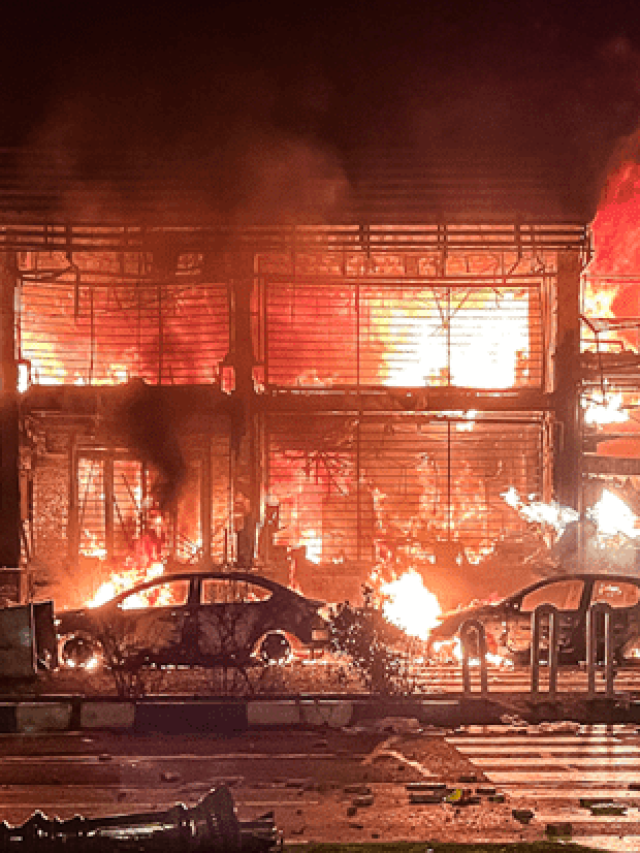
- Civilian Impact: Tens of thousands of residential homes leveled.
- Cultural Heritage: Destruction of 20 UNESCO-protected and historical sites.
Despite these clear indicators of war crimes, international bodies remained conspicuously silent—or worse. The UN Human Rights office’s condemnation of Iran’s self-defense, coupled with the IAEA leadership’s unprecedented disclosure of classified Iranian data, has underscored a profound systemic bias in global governance.
A Geopolitical Pivot
The “Vietnam syndrome” has returned to haunt Washington. Historically, the U.S. has found success only against fragmented states with weakened central commands. In Iran, they encountered a cohesive military and a unified populace. Iran today stands not just for its own sovereignty, but as a symbolic representative for nations—from Iraq and Afghanistan to Libya and Palestine—that have long operated under the shadow of unilateralism.
The strategic fallout for the United States and its regional allies is irreversible:
- Economic Disruption: The legal restrictions placed on the Strait of Hormuz have sent shockwaves through the oil-dependent global economy.
- The End of Sanctions: The reality of the conflict has effectively rendered oil sanctions obsolete.
- Diplomatic Isolation: While European powers like Germany and France attempt to distance themselves from a “war that is not ours,” others like Spain have taken more principled stands, even at a high economic cost.
The New Reality
The objective of this war was the dismantling and partition of Iran. Instead, it has produced a more unified nation, an upgraded leadership structure, and a ruined global reputation for the aggressors.
The U.S. administration must now face the reality that geopolitical shifts cannot be engineered through social media influencers or the wishful thinking of a detached diaspora. Iran has secured its position by demonstrating that the era of the American monologue is over. The war is being won not just on the battlefield, but through the realization that Iranian sovereignty is a non-negotiable constant in the modern world order.