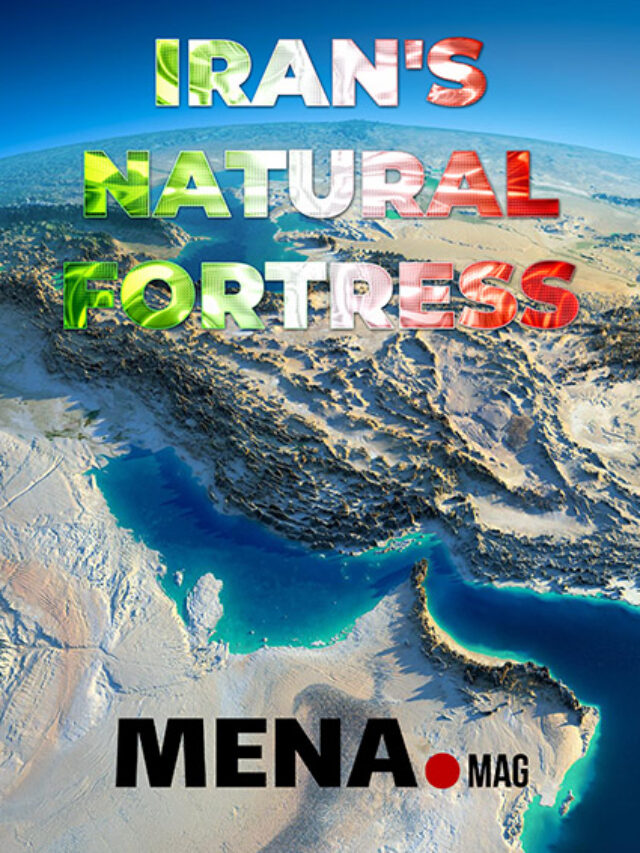
The United States has orchestrated a substantial military deployment in the Middle East, positioning advanced weaponry and aircraft across multiple regional bases in proximity to Iran. This comprehensive buildup represents one of the most significant concentrations of American military power in the region in recent years.
Airlift and Transport Operations
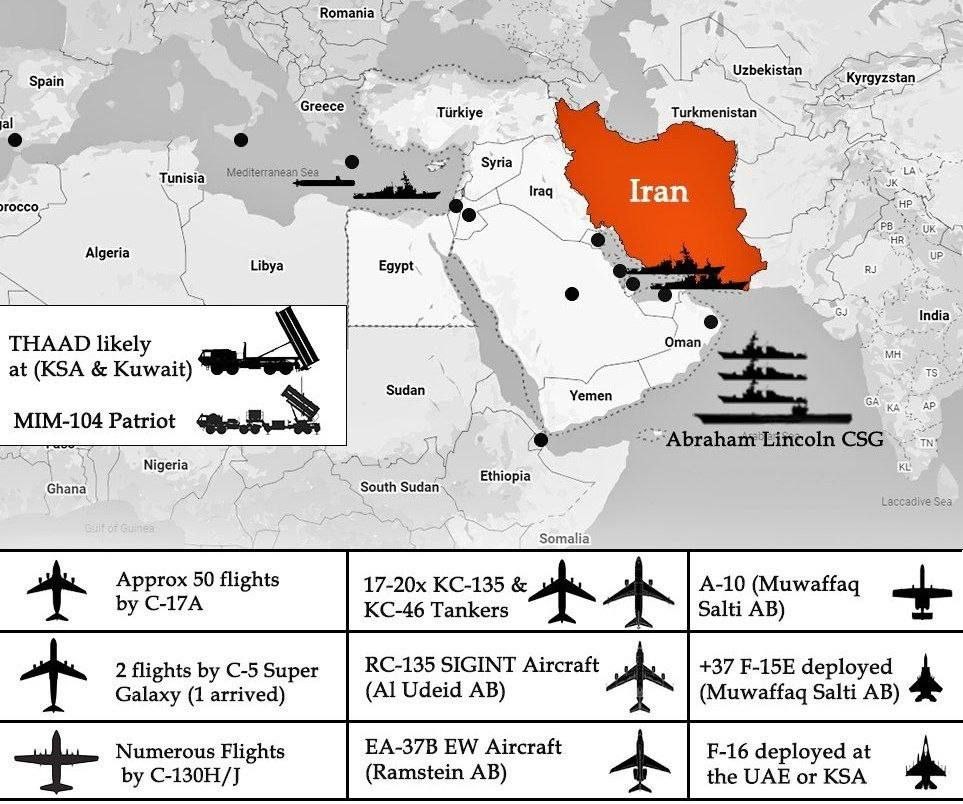
U.S. military logistics have been operating at an intensive pace, with approximately 50 flights conducted by C-17A Globemaster III heavy transport aircraft. Additionally, two flights by the massive C-5 Super Galaxy—with one aircraft already deployed—demonstrate the scale of equipment being moved into theater. Multiple flights by C-130H/J Hercules tactical transports have supplemented these operations, ensuring continuous supply lines.
Air Refueling Capabilities
Between 17 and 20 KC-135 Stratotanker and KC-46 Pegasus aerial refueling aircraft have been positioned in the region, significantly extending the operational range and endurance of combat aircraft. This refueling capacity enables sustained air operations across vast distances without requiring fighters to return to base.
Combat Aircraft Deployment
The United States has deployed more than 37 F-15E Strike Eagle fighter jets to Muwaffaq Salti Air Base in Jordan, representing a formidable strike capability. A-10 Thunderbolt II close air support aircraft have also been stationed at the same Jordanian facility, while F-16 Fighting Falcon multirole fighters have been deployed to either the United Arab Emirates or Saudi Arabia.
Intelligence and Electronic Warfare Assets
An RC-135 electronic intelligence (SIGINT) reconnaissance aircraft has been positioned at Al Udeid Air Base in Qatar, providing critical intelligence gathering capabilities. Additionally, an EA-37B electronic warfare aircraft has been stationed at Ramstein Air Base, enhancing the U.S. capability to disrupt enemy communications and radar systems.
Missile Defense Systems
Multiple Terminal High Altitude Area Defense (THAAD) anti-ballistic missile systems have been deployed throughout the region, alongside several Patriot missile defense batteries positioned across multiple Middle Eastern nations. These systems provide layered defense against ballistic and cruise missile threats.
Naval Power Projection
Several carrier strike groups, including the USS Abraham Lincoln Carrier Strike Group, have been deployed to regional waters, bringing carrier-based aviation, surface combatants, and submarine capabilities to the maritime domain surrounding Iran.
Strategic Implications
This extensive military presence includes offensive strike capabilities, defensive systems, intelligence gathering platforms, and logistics support infrastructure. The deployment pattern suggests preparation for multiple contingencies, from deterrence operations to potential combat scenarios.
The concentration of these assets—spanning air superiority fighters, ground attack aircraft, missile defense systems, intelligence platforms, and naval power—represents a comprehensive military posture that provides U.S. commanders with extensive operational flexibility across the full spectrum of potential military operations.